
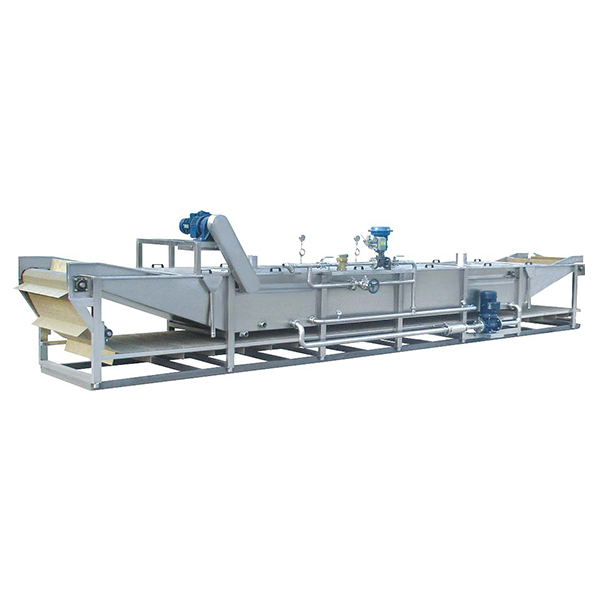
When it comes to handling food, keeping it fresh matters most. Preserving freshness and preventing harm often starts with blanching. Instead of doing it by hand, many now rely on machines built for this task. Such tools work fast while staying exact and uniform across every batch. Without them, results tend to vary wildly. This piece looks at what blanching machines do, their varieties, advantages, plus where they’re used in today’s food handling operations.
Water or steam flows briefly through a blanching machine, handling raw produce inside factories. Heat hits the produce fast – just enough to stop harmful enzyme activity. Fruits and veggies become easier to handle after this moment passes. Their natural shade stays intact while firmness holds steady. Nutrition levels remain close to original amounts once done. Usually leads forward toward chilled storage or sealed containers later down the line. With a blanching machine, processing bigger batches becomes easier because everything gets treated the same way. Cleanliness improves since less hand contact happens along the line. Tasks take less effort overall because machines handle most steps instead.
Some blanching machines handle tasks in specific ways, matching how people want their products processed
With soaking in hot water, these systems bluranch what gets placed inside them. For fragile foods – think spinach or tiny veg chunks – water blanching works well because it gentle than other methods. Because the liquid surrounds every piece evenly, heating spreads without gaps, which helps stop natural breakdowns better.
Inside a sealed space, steam washes over the food. Because it uses less power, this route keeps senses of flavor and moisture intact longer than soaking in warm liquid. For items needing minimal liquid shift, it fits well – like items losing flavor fast when wet.
On a moving belt, parts pass into a hot area. Heat spreads while they travel. Machines like belt blanchers handle large runs without fuss. Timing stays tight, so every set gets the same treatment.
With drum blanchers, pieces move around inside a grid-like basket, getting rinsed by flowing water or misted with steam. Movement here happens without strong force, which helps protect soft or weak materials during processing.
With blanching machines, things change for the better compared to old ways of doing things.
Fruits and veggies lose their outer layer more easily because heat breaks down adhesion during blanching. This step makes peeling simpler across later workflows.
Blanching machines find applications across various segments of the food processing industry:
Blanching helps dried food rehydrate better, which means it feels right when you’re soaking it. That small detail often matters most mid-morning.
Pickling needs can shape how a blanching machine gets picked. What counts is matching the gear to what you do.
Manufacturers looking at choices need to think not just what’s needed now, but also how it will grow when demand does.
Today’s blanching gear packs in smart upgrades to work better –
Now think about how these techs handle blanching – they’re stepping up both speed and eco-smartness inside food plants.
Out in factories handling food, blanching gear just cannot be ignored because it helps save texture, boost cleanliness, while making workflows smoother. Different models exist – built for particular uses – so picking proper blanching tools often leads to better results and less hassle. With tech pushing ahead, slipping in automated features and clever monitoring systems might soon stretch what these workhorses can do.