
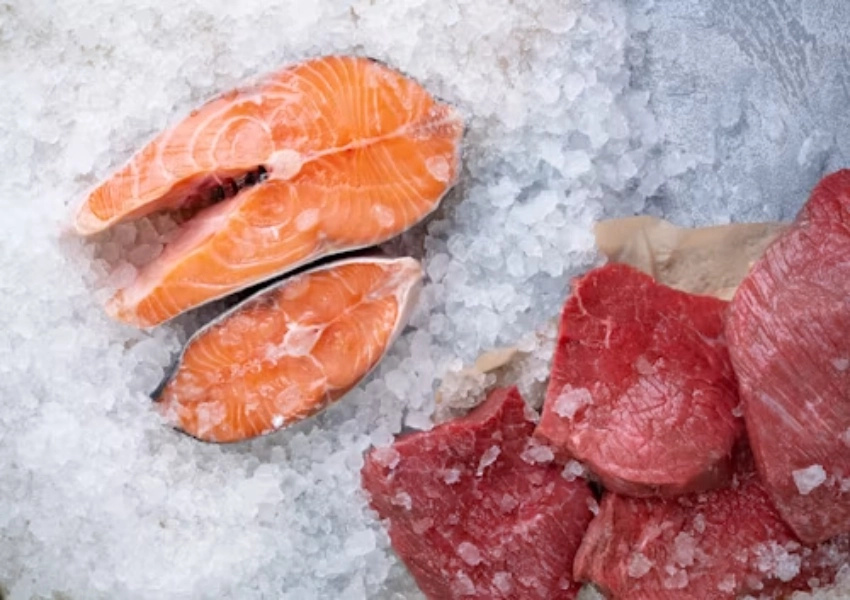
Weight that disappears between raw-product intake and packed frozen goods is easy to dismiss as a normal cost of freezing. It should not be. In an IQF plant, small losses are multiplied by every carton, truckload, and customer claim. The visible symptom may be dry shrimp, pale cut vegetables, a tough meat surface, or loose ice inside a bag. The commercial result is the same: less saleable product and a weaker eating experience. The best way to reduce moisture loss from freezing is to connect the freezer exit check with packaging and cold-chain records.
Freezing weight loss has more than one cause. Some moisture leaves before the product enters the freezer. Some is driven from the surface while the product passes through moving air. More can migrate during post-freezing handling, poor packaging, or repeated cold-chain swings. A useful investigation follows the product through those stages instead of looking for one universal machine setting.
Where IQF Weight Loss Starts
Pre-Cooling and Surface Condition
A freezer is often asked to correct a problem created in the preparation room. Fruit and vegetables may arrive from washing with surface water still trapped in cuts and florets. Seafood can carry glaze, meltwater, or excess drip after grading. Meat may wait after cutting or cooking while its surface becomes warm and tacky. None of those conditions automatically create poor yield, but they change what the freezer has to remove or set first.
Pre-cooling needs to match the product and the line rhythm. The practical check is not a fixed time on a checklist. It is whether product temperature and surface condition remain consistent from the beginning to the end of a run. Compare a low-yield lot with a normal one. Check draining, wash-water removal, seasoning or coating pickup, and the queue before the infeed. Those records often narrow down the cause of freezing weight loss faster than a broad change to freezer controls.
Loading Depth and Exposed Surface
A thin, even layer gives air a more predictable path around the food. Overloading creates two different risks at once: pieces buried in the center can freeze late, while exposed pieces see more drying airflow. A belt that alternates between bare patches and piles rarely gives stable results. For IQF product yield, feeding equipment, belt distribution, and product size control deserve the same attention as the refrigeration package.
Different Foods Lose Water Differently
Fruit and Vegetables Need Gentle, Consistent Presentation
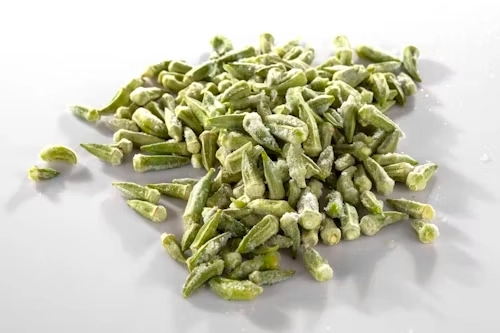
Berries, peas, diced carrots, and broccoli florets have very different surface shapes, but each can carry water after washing or cutting. Tender produce also bruises or breaks easily when loading is aggressive. For small particulate foods, a fluidized stage can keep pieces separated while cold air reaches more of the surface. YONGXING has strawberries, peas, diced carrots, and broccoli florets among the applications for its fluidized tunnel equipment, which makes this a relevant configuration to test for free-flowing produce.
The goal is not to dry produce before freezing. It is to remove uncontrolled surface water without leaving the product warm or damaged. A processor should agree with the equipment supplier on the actual piece size, moisture condition, and feed pattern, then run a trial that checks pack weight, surface appearance, and behavior after storage. That is more useful than adopting a generic freezer-burn target.
Seafood and Meat Need Their Own Checks
Seafood brings high-value yield into sharp focus because drip, glazing, damaged surfaces, and a delayed handoff to packaging can all be costly. Individual shrimp and small seafood pieces usually benefit from even presentation and rapid, repeatable cooling. Larger fillets or delicate items may need more support to protect their form. YONGXING’s impingement plate belt has high-water-content and easily deformed foods as a fit, with a flat stainless-steel plate belt and upper-and-lower air circulation intended to limit dehydration loss.
For meat, the question is often whether pieces are uniform enough to freeze at a similar rate. Mixed dice sizes, sliced edges, loose trim, or a warmly marinated batch can lead to uneven surface conditions. Frozen food dehydration can then show up as a dry edge on smaller pieces while thicker pieces still need more time in the system. Separate the product by size where practical, and use the actual recipe and loading pattern during equipment trials.
Freezer Choices That Protect Product Yield
Airflow, Belt Support, and Freezing Speed
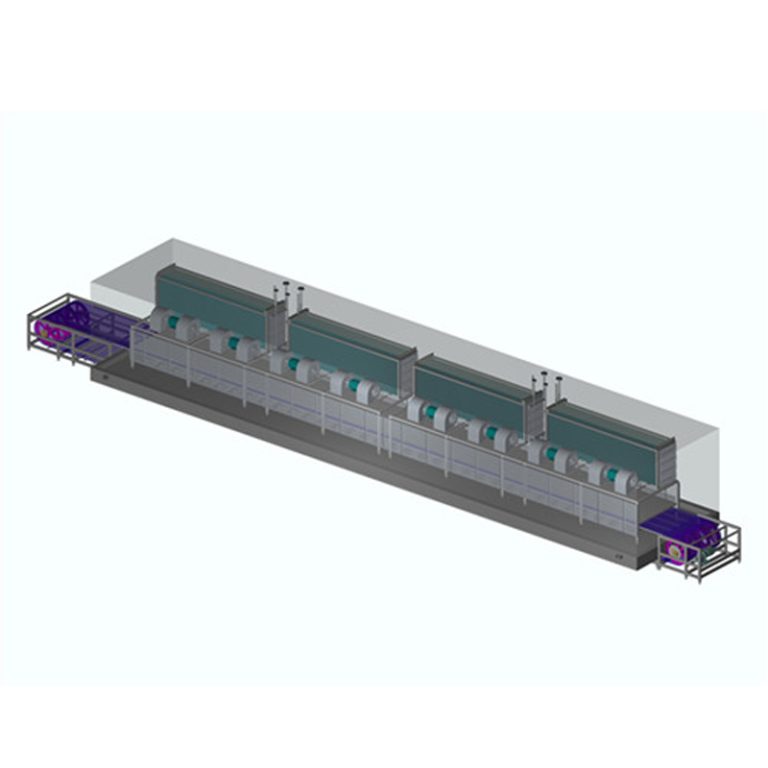
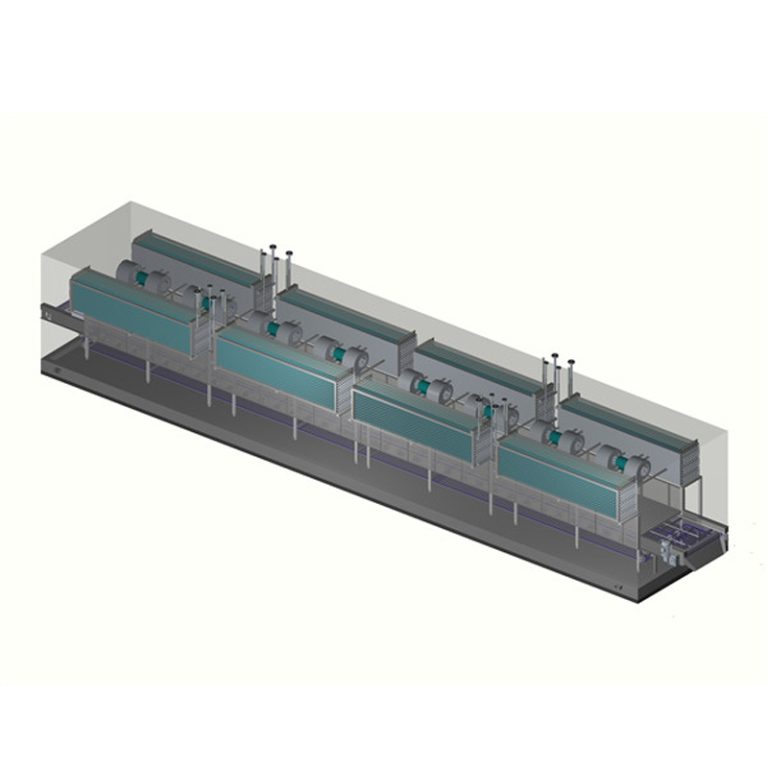
Air movement is necessary for IQF processing, yet more force is not automatically better for every food. A good design balances heat transfer with how the item sits on or moves over the conveyor. YONGXING’s pembeku sabuk pelat benturan uses a SUS304 plate belt, a flat contact surface, and upper-and-lower air blowing. Its stated application includes fragile, easily deformed, and high-water-content foods. That combination gives a buyer a sensible starting point when product appearance and moisture retention matter as much as throughput.
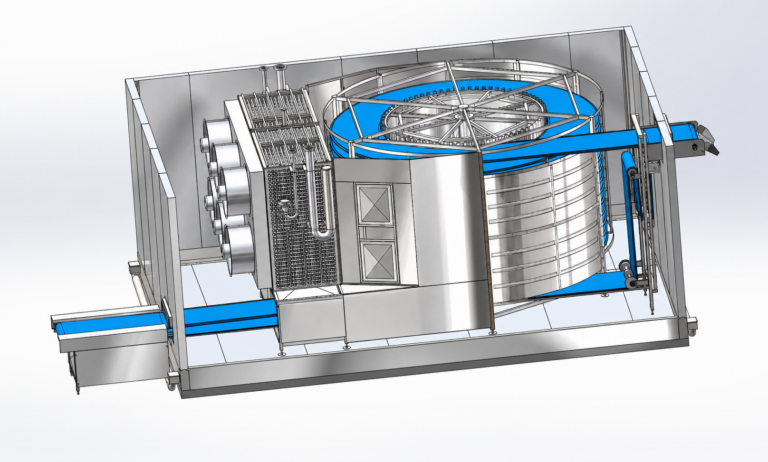
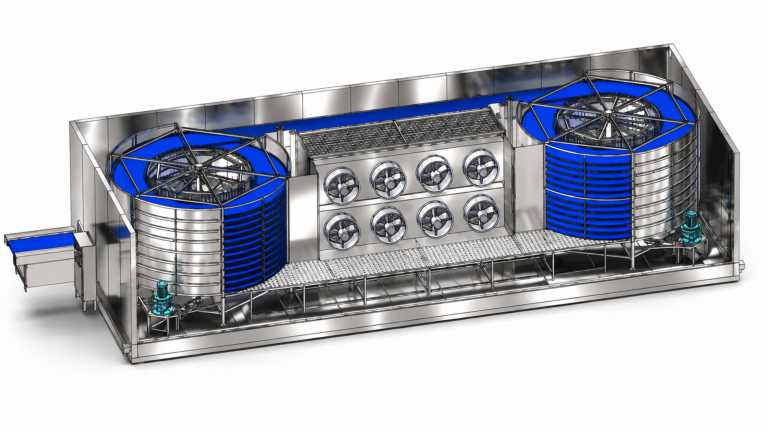
For a continuous line handling a broader mix of prepared foods, seafood, or meat products, a pembeku spiral ganda is designed to connect with front-end processing and back-end packaging lines. Its variable-frequency speed control is intended to adjust residence time to different products. The correct setting still needs to be established with the food, loading depth, and target core condition on the line. Claims about a single freezer time or temperature should be treated as a project-specific validation item, not a purchasing promise.
Clean Heat Exchange Keeps Results Repeatable
Product yield drifts when airflow or heat exchange changes over time. Build-up at the infeed, on the belt, or around evaporator surfaces can alter how product moves and how cold air reaches it. YONGXING’s impingement equipment information describes water-flushing and hot-ammonia defrost options on some models to help keep the evaporator clean and maintain heat-exchange performance. Cleaning access, defrost method, and the time available for sanitation should be reviewed before the purchase order, especially for wet or coated products.
Packaging and Cold Chain Can Reverse Good Freezing Work
A clean freezer discharge does not guarantee good freezer burn prevention. Product that waits before bagging may pick up condensation or lose surface moisture. A package with poor sealing, excessive headspace, or damage in transport can expose the product to dry air during storage. The point is not to prescribe one packaging material for every item. Film structure, pack size, fill level, sealing performance, and storage period should be matched to the food and checked with retained samples.
Cold-chain fluctuations deserve the same discipline. If a product is moved through a warm dock, held too long before palletizing, or repeatedly cycled during distribution, ice can migrate within the pack. The first complaint may be frost, discoloration, or a dry surface, even though the IQF freezer itself performed properly. To reduce moisture loss and freezing across the whole operation, record product condition at freezer exit, at packing, after cold storage, and after a representative delivery route. That record also shows whether the corrective action belongs in the freezer, the pack room, or distribution.
Questions to Settle Before Buying or Upgrading Equipment
Buyers should ask for a product-led assessment, not just a rated capacity. Provide the supplier with product type, size range, water or glaze condition, pre-cooling method, expected feed pattern, packaging plan, available footprint, and the point where yield loss becomes visible. Ask which conveyor support, air distribution, speed adjustment, and cleaning features relate to those facts. This turns an abstract request to improve IQF product yield into a configuration discussion that can be tested.
YONGXING supplies IQF, fluidized tunnel, spiral, impingement, and food production line equipment for fruit and vegetables, aquatic products, meat, wheaten foods, and prepared foods. A pembeku spiral tunggal may suit products that need supported continuous handling, while other food shapes may call for a tunnel or impingement arrangement. The useful decision is based on product behavior rather than a catalog label. For detailed project discussions, YONGXING can review the processing sequence and the equipment options around it.
Yield control is not a single control-panel value. It depends on how the product arrives, how evenly it is exposed to cold air, how quickly its surface is stabilized, and whether packaging and the cold chain preserve that condition. When those points are reviewed together, freezer burn prevention becomes a practical line improvement effort rather than a complaint investigation after product has shipped. If you are also wondering more, artikel kami menjawab pertanyaan itu.
Pertanyaan yang Sering Diajukan (FAQ)
Q1: Does faster freezing always reduce product weight loss?
A1: Faster and more even freezing can help preserve quality, but the result depends on product size, surface moisture, loading, airflow, and post-freezing handling. The setting should be validated with the actual product, not copied from another line.
Q2: What should be measured when IQF product yield drops?
A2: Compare incoming weight, post-freezer weight, packed weight, visible surface condition, and retained samples after storage. Also record pre-cooling, product temperature, loading depth, freezer operation, packaging checks, and cold-chain events.
Q3: Can YONGXING support a product trial for freezer-burn concerns?
A3: The project discussion should include representative samples, product dimensions, moisture or glaze condition, recipe details, expected output, layout limits, and the points where frozen food dehydration is first seen. This gives a supplier a sound basis for recommending equipment and settings to verify.