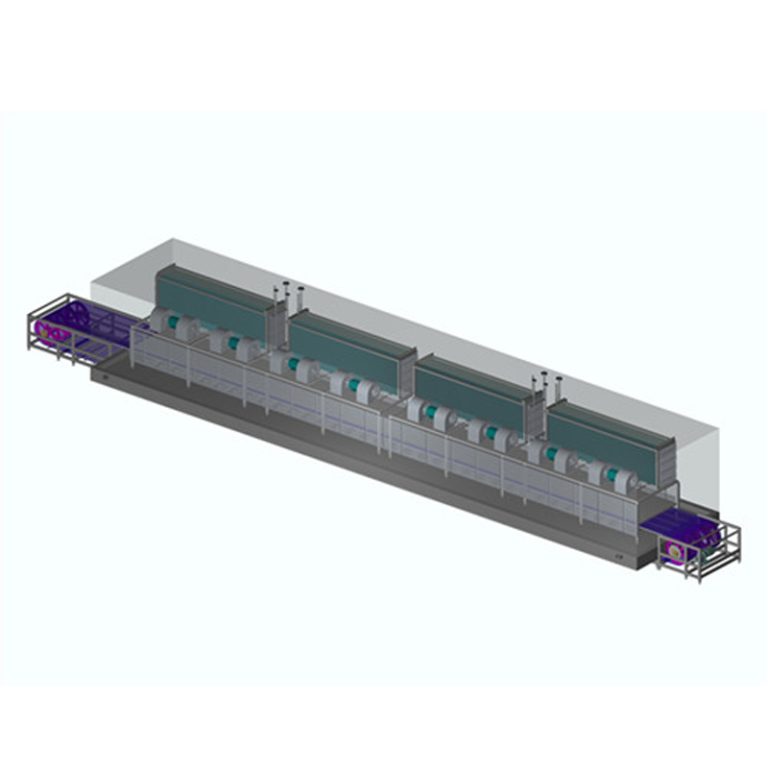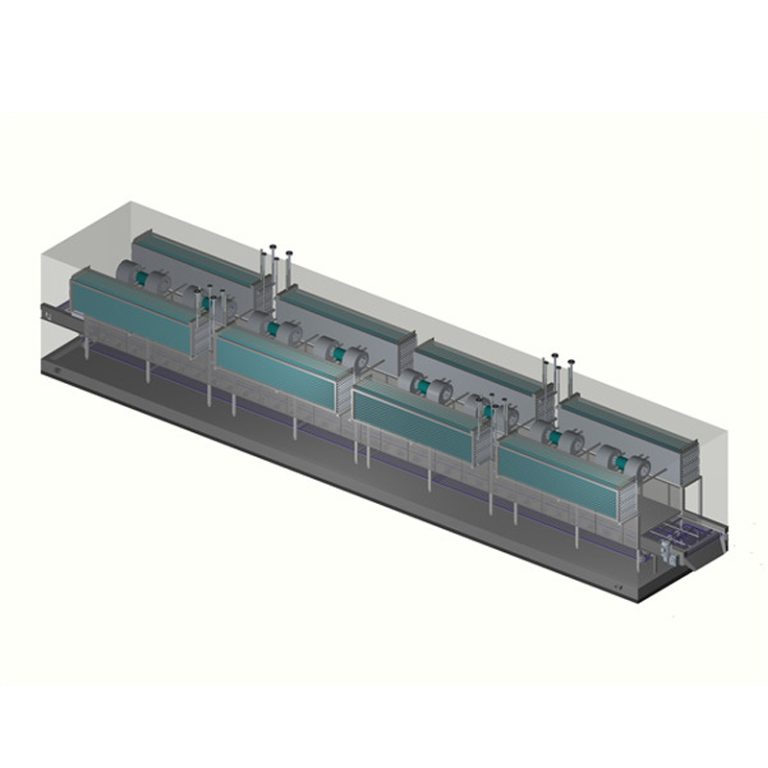

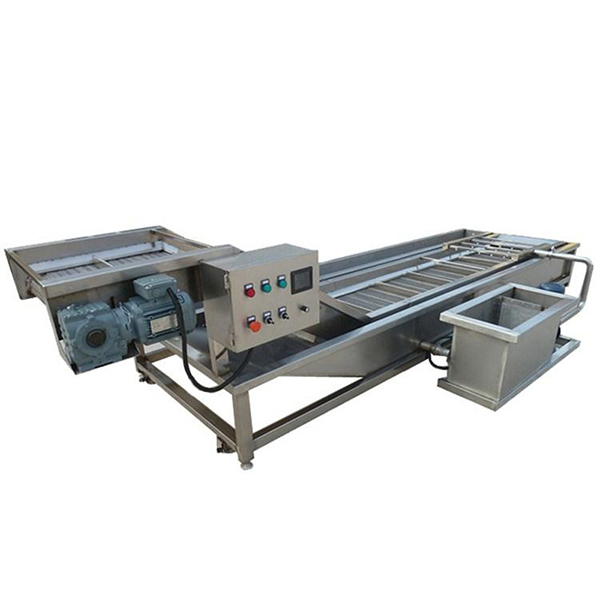
Glazing Machine

Glazing Machine

Glazing Machine

What you see is often shaped by glazing machines – specialized tools that put even coats on different materials. Found working in places like potteries, factories making fabric goods, or even snack production lines, their role extends beyond basic application. In glass plants too, they play key parts shaping outcomes with less effort needed. Uniform results come naturally because automation takes over most steps involved. Aesthetics get lifted while strength increases through consistent layers formed every time. Speed rises without sacrificing quality simply because processes move faster under controlled conditions.

Product Details

Introduction to Glazing Machines

What you see is often shaped by glazing machines – specialized tools that put even coats on different materials. Found working in places like potteries, factories making fabric goods, or even snack production lines, their role extends beyond basic application. In glass plants too, they play key parts shaping outcomes with less effort needed. Uniform results come naturally because automation takes over most steps involved. Aesthetics get lifted while strength increases through consistent layers formed every time. Speed rises without sacrificing quality simply because processes move faster under controlled conditions.

Glazing Machine

How Glazing Machines Work

Starting off, glazing equipment applies a layer of substance like glaze, oil, or polish to a surface. This material gets spread through tools – rollers, brushes, sprayers – or even mixed setups depending on the setup. First things first, the base item must be ready for coating. Once ready, it moves into the system’s path for an even dose of glaze. Once coated, it could travel past zones that handle drying or hardening – just to lock everything in place. What kind of glaze shows up depends on the field and what needs handling. How it works ties directly to those details.

Take ceramics – there, the device sprays on a glaze rich in minerals. When pieces heat up, that glaze softens and bonds into a smooth, glossy skin. Move into textiles, where coatings of starch or resin help fabrics hold shape and catch light. The process runs quiet, shaping appearance without heavy chemicals.

Types of Glazing Machines

Some glazing machines fit specific uses. Others work across various tasks depending on their design.

  • Ceramic glazing machines serve pottery and tiles. Conveyors move work in batches, suited for high output. Even layers come from spray booths built into the process.
  • Later in fabric making, textile glazing machines appear. With rollers and warmth, they apply a shine. Finish work often includes their role. Heat helps seal the look.
  • In places like bakeries or candy shops, you often see gear that puts shine on baked goods – think sweet syrup drizzled by spinning heads or egg-based coats slapped on gently.
  • Machines that coat glass now show up across building designs and car manufacturing. Protective coatings get applied by them while decorative finishes also appear. Industries on opposite sides of innovation use these tools differently yet constantly.

Every kind of machine comes with distinct parts and adjustments made for handling various materials along with specific finish needs.

Benefits of Using Glazing Machines

Using glazing machines during manufacturing brings a few benefits:

  • With automated setups, glaze goes on every piece just the same – no streaks, less chance for mistakes.
  • Speed matters here – machines handle vast amounts fast, boosting output far beyond what humans can do alone.
  • Fewer skilled workers are needed when machines handle glazing duties. Automation cuts that labor requirement sharply.
  • Nowadays, some glazing tools adjust on their own based on set parameters. These setups match exact standards from manufacturers. Settings shift behind the scenes so finishes turn out right each time. Machines today follow strict guidelines without extra commands.

What makes these useful is how they handle big production work – staying precise while moving fast matters most there.

Applications Across Industries

From windows to semiconductors, glazing gear shows up everywhere – glass tubing kicks off production, shaping future surfaces without fanfare.

  • In ceramics, they are used for aesthetic finishes on pottery and tiles.
  • In textiles, they enhance fabric appearance and functionality.
  • In the food sector, glazing provides visual appeal and extends shelf life.
  • In glass production, they offer scratch resistance and UV protection.

What helps them thrive is how easily they shift between small, hand-run setups and massive factory systems.

Considerations When Choosing a Glazing Machine

Picking a glazing machine? Manufacturers might look at a few things first.

  • One way to check if a machine works well with what it touches depends on the material underneath. Ceramic, fabrics, or even edible parts need tools built ready for them. Compatibility shows up when neither damages the other during use.
  • Glaze type depends on conditions such as heat needs or how it gets applied.
  • If you need to make large batches, using automated setups – like conveyor lines and drying tools – could be worth the cost.
  • When upkeep is straightforward, cleaners find their way around without hurdles while technicians reach key components quickly. That kind of setup keeps machines running longer by avoiding delays.

Looking at these factors helps pick a machine that fits what the business aims to do and how much it can afford.

Future Trends in Glazing Technology

Future glazing machines are changing fast because automation, robotics, and material science keep improving. Thanks to IoT connections, performance data flows continuously, helping schedule repairs before issues grow. New glaze recipes now include greener ingredients matching stricter environmental rules. When companies want greener options that still work well and fast, upcoming glazing tools might lean toward less energy use, fewer leftovers, while also getting sharper with automation.
Related products

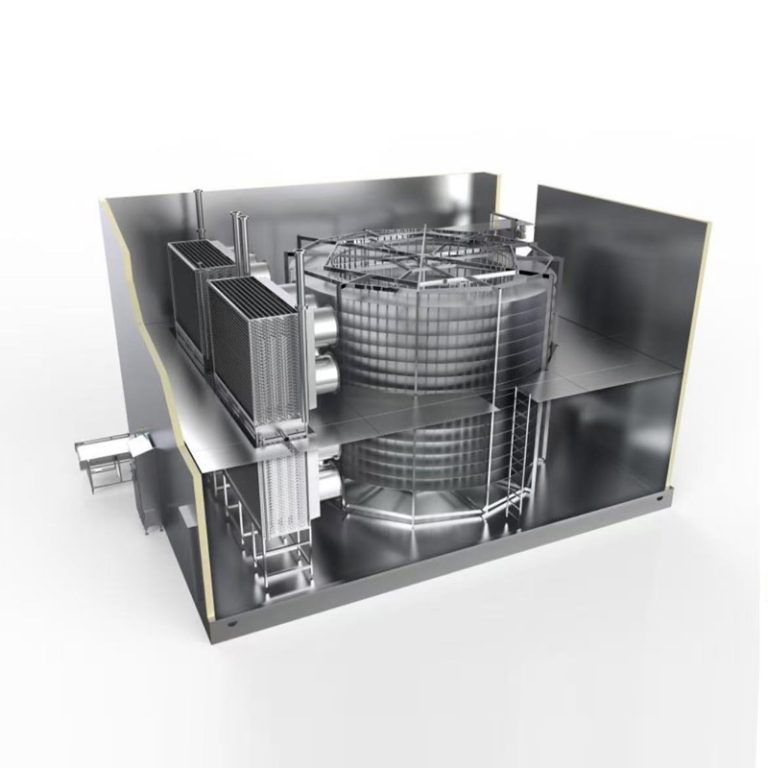
Single-Spiral-Freezer
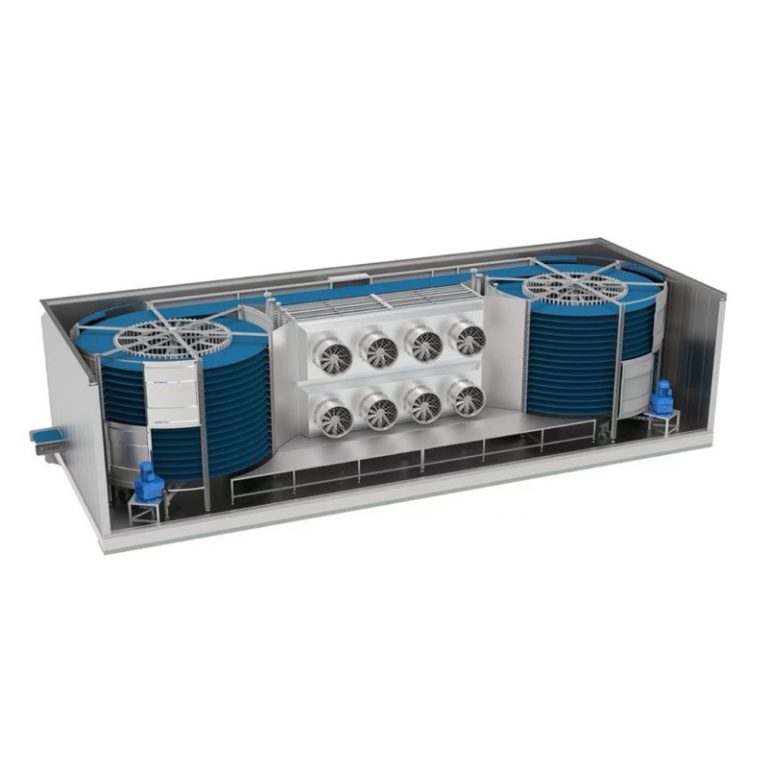
Double-Spiral-Freezer
Impingement-Plate-Belt-Freezer
Impingement-Mesh-Belt-Freezer

Related Articles

blog2
Iterations and Upgrades in Quick-Freezing Technology
blog3
Diverse Applications in the Food Industry
blog1
Development Trends in the Quick-Frozen Food Industry
Seafood Freezing Case1
Seafood Freezing Case

Get In Touch

Whatever the occasion, whether you’re buying for yourself or to distribute, we have it all! Send us inquiry to find out about our volume discounts.