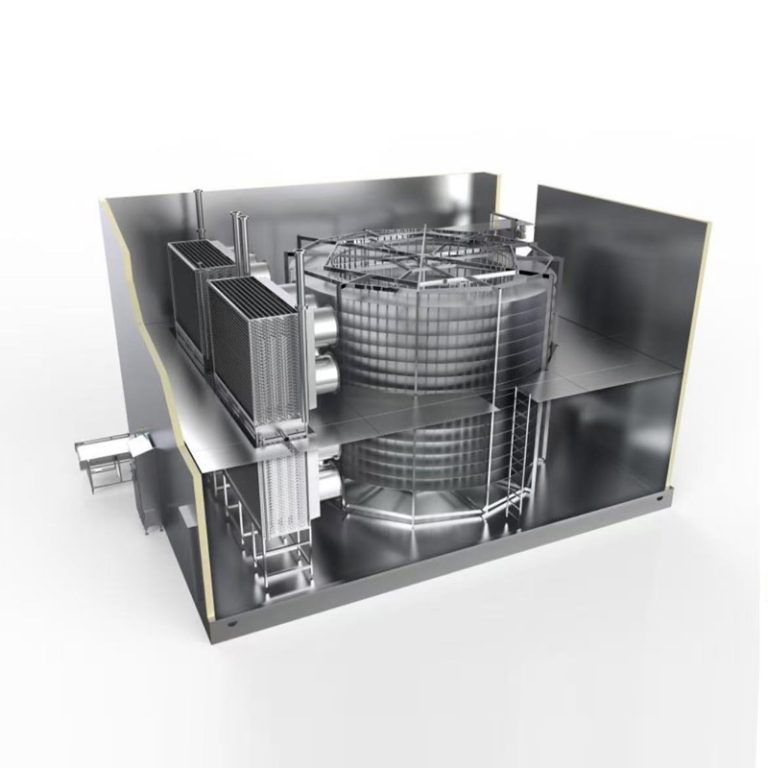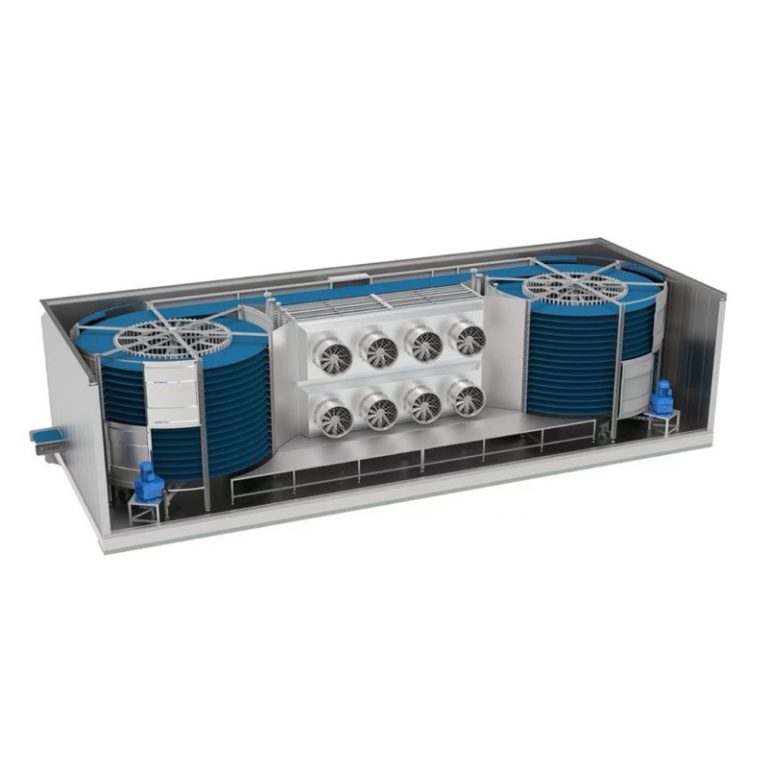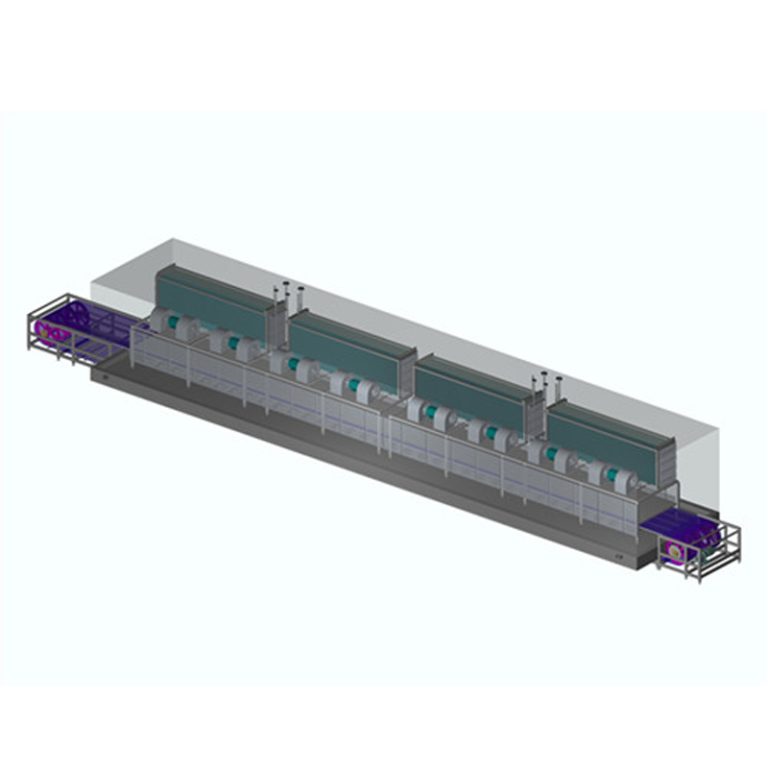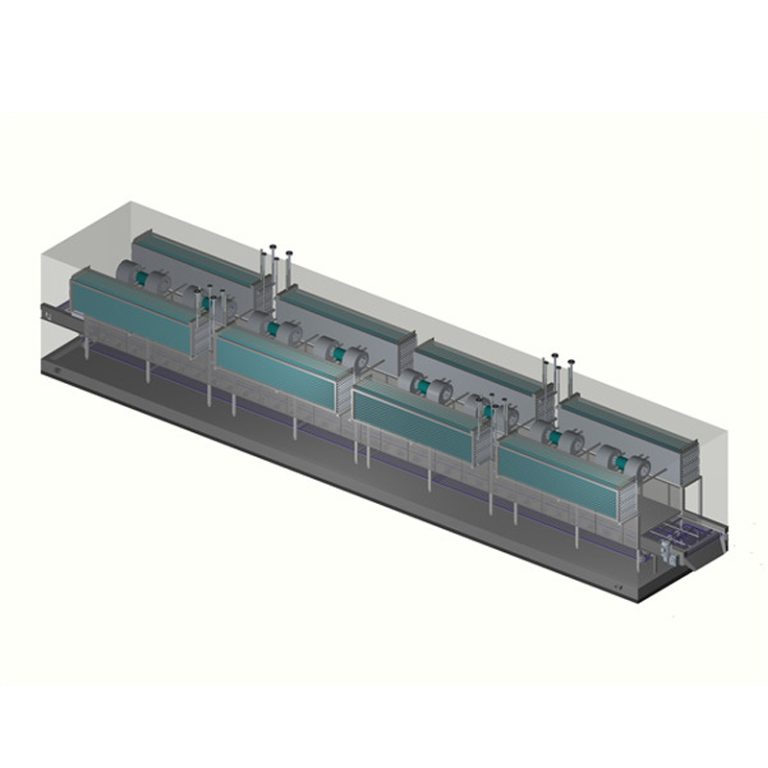

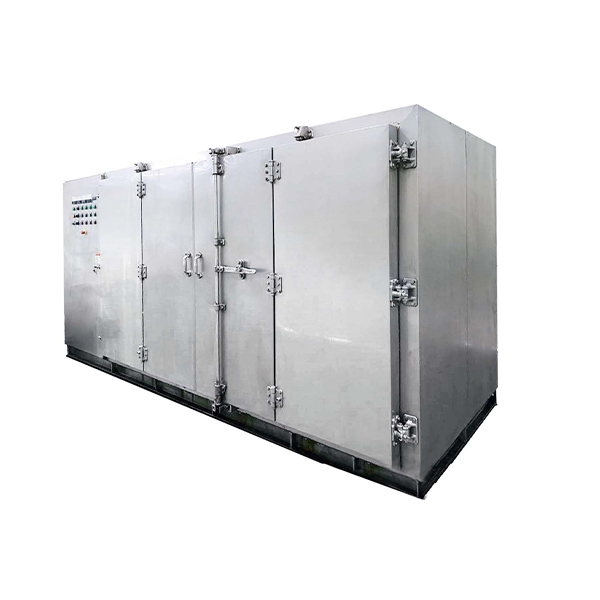
Frozen layers on shelves play a key role in how today’s food factories handle their wares. When quick and even chilling matters – whether wrapping items or leaving them bare – these units step in. Built with cleanlines, speed, and heavy output in mind, they run hard across fish, chicken, beef, and pre-cooked bowl contents alike. Preserving freshness isn’t just nice – it’s required, so machines that keep temperatures steady do exactly what is needed without fuss.
Cold seeps into food fast when metal slabs press it tight. Between those slabs, a mix of material and coolant does the chilling. Heat jumps quickly across the interface, pulled by force and friction. This setup leans on friction, where cold hits the center hard and spreads fast. Frozen action spreads where the metal meets the mix, pulling chill through every touching part.
What stands out is how well this method works when stacked against standard air-cooled freezing setups – big ice crystals rarely form here, which helps keep both taste and texture intact. Because of that, shelf plate freezers tend to handle solid seafood pieces, processed burgers, or sealed bundles without losing definition or freshness.
Freezers built like shelves stand tall or lie flat, shaped by what they must do. At their center sit key pieces that handle freezing tasks –
Built for quick cleanup, these setups follow strict hygiene rules like HACCP and ISO 22000 – key for food processing. Some models come with smart features: machines that feed or remove ingredients without extra hands. Speed in workflow often ties back to how tasks get handled behind the scenes.
Frozen layers form fast under cold pulses inside shelf plates, making them useful across various food plants. Industries often rely on machines that chill big batches quickly – this type fits that need:
What makes these systems work well is when pieces must be roughly identical in dimensions and heat level ahead of further steps.
Frozen shelves from shelf plate freezers work well under certain conditions because they bring clear benefits. Their reason for being chosen across settings ties back to practical outcomes
What makes these setups work well is how long they last without fail. Their strength shows up slowly, as expenses drop over years.
Even though they offer a lot of advantages, shelf plate freezers have clear drawbacks:
Grasping these constraints matters when picking a freezing method that fits actual workplace requirements.
Shelf plate freezers stand out when measured against air blast and cryogenic freezing techniques. Their benefits show through
Shelf plate freezers move fast while staying affordable and protecting food quality – this mix works well where output matters most.
Frozen layers now form quickly thanks to upgraded shelf plate freezers – they work better, handle tasks more smoothly:
A few companies have added machines that fill or empty tools alone, cutting worker hours while speeding up processes. New twists on movement systems use changing pressure levels instead of fixed rhythms. Built-in monitoring systems track operations live, spotting issues early without delays. Cooler fluids inside equipment have replaced older versions, reducing harm to nature.
Take Freezerlink Engineering’s newest vertical plate freezers – they now carry higher energy efficiency grades along with updated smart panels that let staff check operations from a distance. Instead of standard methods, the team built custom sealing systems to boost cold flow performance without losing a drop of refrigerant.
With such advances in tech, shelf plate freezers keep up as rules around food safety shift and pressure to be green grows.
Every now and then, keeping shelves frozen matters – this stays true even under pressure.
When staff learn how to run equipment safely, operations stay more consistent while dangers drop off. Some companies provide upkeep deals covering set checkups along with timely part swaps.
Frozen layers take shape under cold forces powerful enough to handle bulk quantities. Speed meets accuracy right where ice meets steel in processing zones known for handling fish, sausages, or ready meals. Contact-freezing works fast because cold flows naturally into items without delay. Equipment costs more at first yet stretches returns later thanks to less power drawn, fewer hands needed, and items kept intact longer. Shelf plate freezers might grow more useful as automation and sustainability pressures build in industrial cooling. What comes next could help meet tougher demands across refrigeration markets.