

Если запросить у пяти поставщиков морозильных камер почасовую оценку энергопотребления, ответы могут оказаться удивительно разными. Однако это не всегда означает, что кто-то скрывает правду. Энергопотребление морозильных камер IQF меняется в зависимости от загрузки продукта, температуры на входе, целевой температуры сердцевины, скорости воздушного потока, образования инея, загрузки конвейерной ленты и системы охлаждения, подключенной к машине.
Для пищевого предприятия важный вопрос заключается не только в том, «сколько киловатт указано на паспортной табличке?», но и в том, «какое потребление электроэнергии будет у морозильной камеры во время реального производства, и как это отражается на почасовой стоимости?». Ответ начинается с расчетов, затем переходит к выбору оборудования и соблюдению правил эксплуатации.
Почему почасовая стоимость электроэнергии обычно вводит в заблуждение
Морозильная камера IQF — это не просто один двигатель. Полная линия может включать в себя вентиляторы испарителя, приводы конвейеров, насосы, клапаны, системы управления, устройства разморозки, компрессоры, конденсаторы и конвейеры, расположенные выше или ниже по потоку. Некоторые нагрузки работают непрерывно, в то время как другие изменяются в зависимости от потока продукта, давления всасывания, времени разморозки, условий в помещении или состояния технического обслуживания. Именно поэтому потребление электроэнергии промышленными морозильными камерами следует рассматривать как системную нагрузку.
Наибольшая нагрузка приходится на зону заморозки, когда теплые продукты попадают туда. Вареные пельмени, поступающие при высокой температуре, требуют гораздо большего охлаждения, чем охлажденные морепродукты, находящиеся при температуре около 0°C. Влажность также имеет значение. Продукты с высоким содержанием воды выделяют скрытую теплоту при превращении воды в лед, поэтому нагрузка на линию заморозки может возрастать даже при относительно невысокой скорости.
Номинальная мощность не то же самое, что и мощность, потребляемая в рабочем режиме.
Паспортная табличка с техническими характеристиками полезна для планирования электропроводки, выбора автоматических выключателей и распределения энергоресурсов на предприятии, но она не является окончательным счетом за электроэнергию. Вентиляторы могут работать ниже полной нагрузки с частотным регулированием. Компрессоры могут работать циклически или поэтапно. Система размораживания может создавать кратковременные пиковые нагрузки. В конечном итоге, обсуждение будет проводиться с учетом мощности, температуры на входе и выходе, выбранного хладагента и графика смен заказчика.
Практическая формула для расчета почасовой стоимости электроэнергии
Основной расчет прост: почасовая стоимость электроэнергии = средняя потребляемая мощность в кВт x местный тариф на электроэнергию. Суточная стоимость = средняя потребляемая мощность в кВт x эффективное время производства x тариф на электроэнергию. Если предприятие платит по разным тарифам в пиковое и непиковое время, расчет следует разделить по временным диапазонам. Это превратит затраты на электроэнергию для морозильной камеры в плановый показатель, а не в расплывчатую проблему.
Самая сложная задача — определить среднюю рабочую мощность в кВт. Для нового проекта это значение должно быть получено на основе проектных расчетов поставщика, расчета холодильной нагрузки и выбора оборудования. Для существующей линии счетчики должны отдельно регистрировать периоды запуска, стабильного производства, смены продукта, размораживания, очистки и простоя.
Данные, которые необходимо подготовить перед запросом коммерческого предложения.
Для серьезной оценки энергопотребления требуется больше, чем просто название продукта. Необходимо подготовить данные о почасовой производительности, размере продукта, состоянии упаковки, температуре на входе, требуемой температуре на выходе или в сердцевине, глубине загрузки конвейерной ленты, часах работы, температуре в помещении, предпочтительном хладагенте и необходимости промывки. В рекомендациях YONGXING по составлению запроса указываются производительность, продукт для заморозки, размер продукта, температура на входе и выходе, хладагент и особые требования, поскольку эти детали определяют как размер оборудования, так и стоимость эксплуатации системы IQF.
Что на самом деле определяет энергопотребление морозильных камер IQF?
Первая причина – тепловая нагрузка от самого продукта. Увеличение производительности повышает необходимость отвода тепла каждый час. Для более крупных кусков требуется более длительное время выдержки. Для липких, влажных продуктов или продуктов, покрытых соусом, может потребоваться более щадящая загрузка конвейерной ленты и более тщательная циркуляция воздуха.
Второй фактор — целевая температура заморозки. Многие производители продуктов питания стремятся к температуре около -18 °C для хранения и транспортировки, но скорость достижения этой температуры влияет на нагрузку на систему. Конструкции с пластинчатыми и сетчатыми конвейерными лентами позволяют поддерживать температуру в камере в диапазоне от -35 °C до -45 °C, при этом время заморозки регулируется в пределах от 10 до 50 минут для разных продуктов. Эти данные полезны для обсуждения оборудования, но почасовая стоимость энергии все еще требует расчета в рамках проекта.
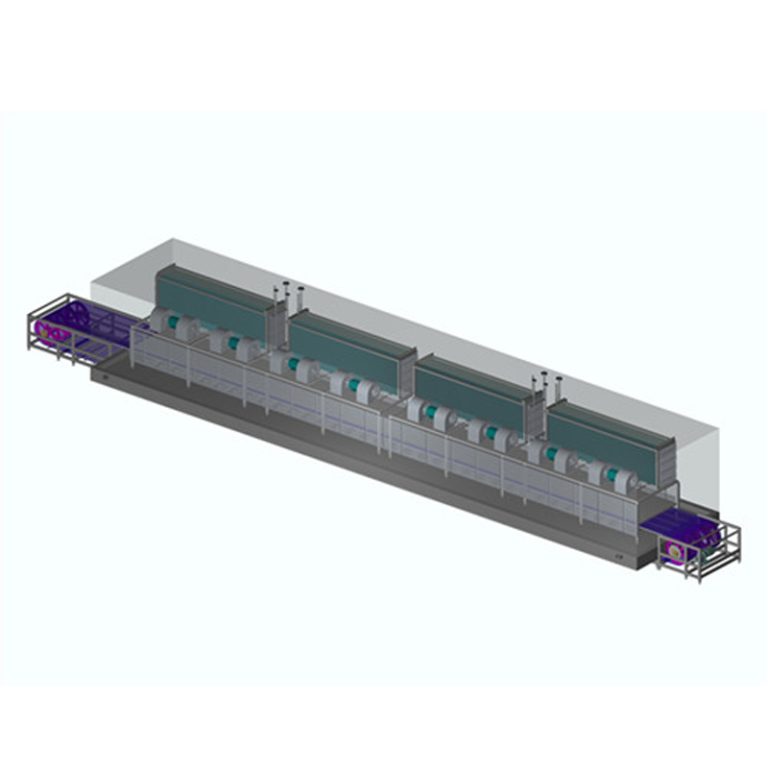
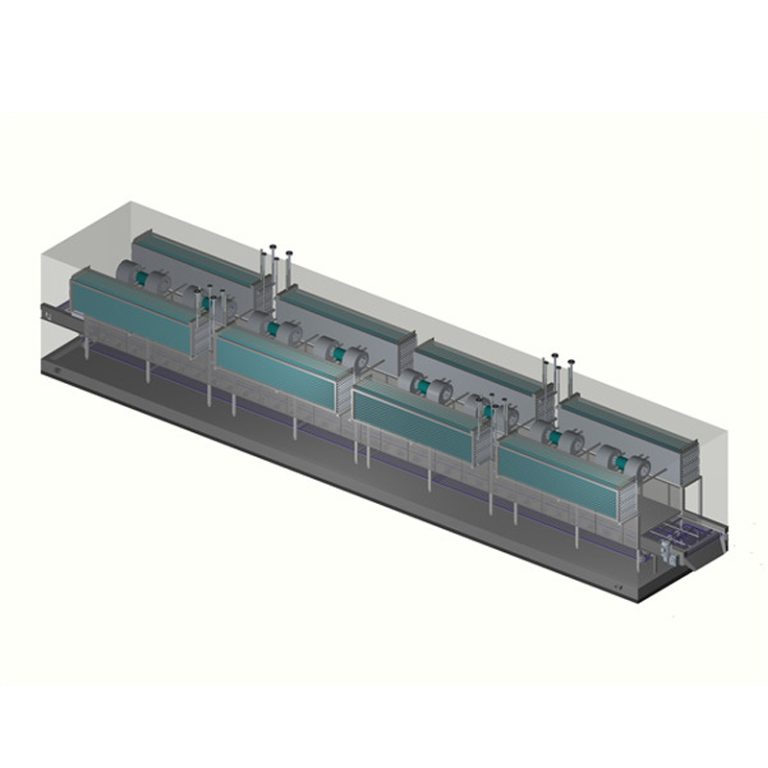
Третий фактор — управление воздушным потоком. Воздух должен обдувать изделие достаточно сильно, чтобы передавать тепло, но не настолько агрессивно, чтобы высушивать поверхность, разносить легкие детали или расходовать мощность вентилятора впустую. Для небольших сыпучих изделий может подойти... туннельная морозильная камера с псевдоожиженным слоем Это позволяет разделить отдельные кусочки. Для плоских порций морепродуктов может подойти обдув с помощью воздушного потока. Для продуктов, упакованных в лотки или более тяжелых продуктов, может потребоваться спиральная траектория.
Иней, размораживание и теплообмен
Иней — это скрытая статья расходов. Когда влага от продукта и воздуха в помещении накапливается на испарителях, теплообмен снижается, и система охлаждения работает с большей нагрузкой. В материалах, используемых в морозильных камерах с ударным механизмом, компания YONGXING описывает комбинированную промывку водой и размораживание горячим аммиаком в некоторых моделях для поддержания чистоты испарителей и улучшения теплообмена.
Изменения в типах оборудования. Энергетическая дискуссия.

Различные системы быстрой заморозки (IQF) решают разные производственные проблемы. На фотографии показан завод, рассматривающий... IQF морозильное оборудование Начинать следует с анализа свойств продукта, а затем переходить к определению мощности. Мелкие, рассыпчатые продукты, такие как креветки, ягоды, горох и нарезанные кубиками овощи, часто нуждаются в псевдоожижении для уменьшения образования комков. Компания YONGXING предлагает метод туннельной заморозки с псевдоожижением для морепродуктов, фруктов, овощей и готовых к употреблению продуктов.
Для изделий, перемещающихся по сетчатой ленте, ленточный морозильник с сетчатым креплением Используется сетчатая лента из нержавеющей стали SUS304 и регулируемое время заморозки. Особое внимание уделяется короткому времени заморозки, бесступенчатой регулировке скорости с помощью частотного преобразователя, полиуретановой изоляции и конструкции из нержавеющей стали для обеспечения возможности очистки и соответствия требованиям HACCP в области пищевой гигиены. Эти детали также влияют на стабильность воздушного потока и контроль скорости ленты.
Он пластинчато-ленточный морозильник Подходит для продуктов, для которых выгодно использование высокоскоростного воздушного потока сверху и снизу, таких как гребешки, рыбное филе, креветки, плоские мясные изделия, блоки и гранулированные продукты. При расчете энергопотребления предприятию следует проверить скорость воздушного потока, ширину ленты, загрузку продукта, план размораживания, а также необходимость использования пластинчатой ленты вместо сетчатой для подачи продукта.
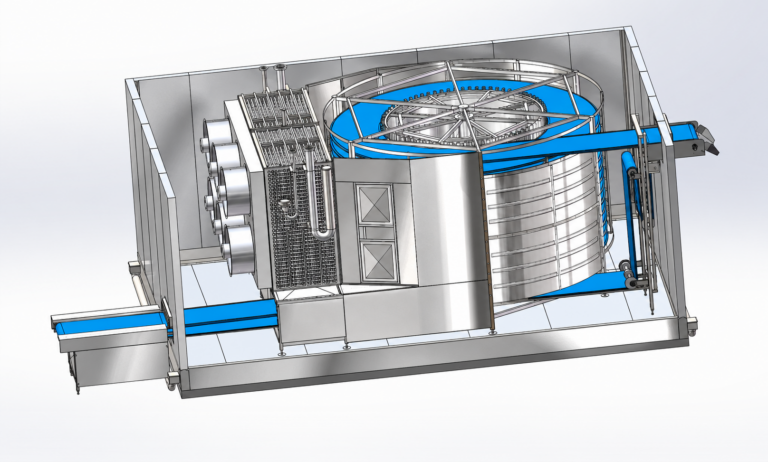
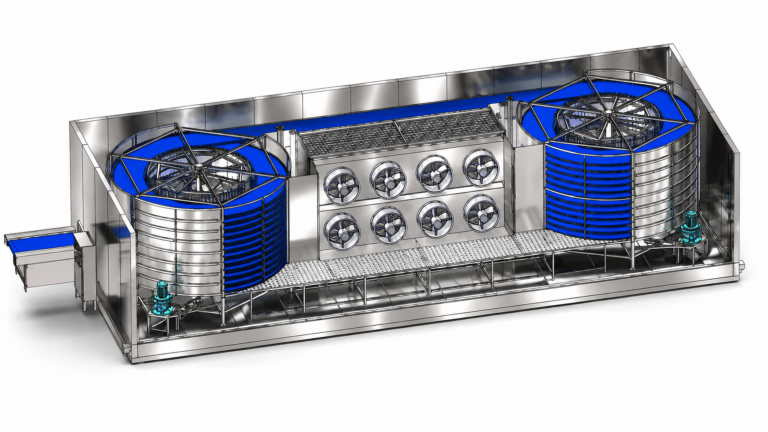
Спиральные системы меняют представление о занимаемой площади и времени пребывания замороженных продуктов. Односпиральные морозильные камеры YONGXING представляют собой компактные системы непрерывного действия для небольших и средних предприятий. Производительность и время заморозки могут быть увеличены за счет добавления спиральных витков или увеличения высоты башни. двухспиральная морозильная камера Предназначенная для средних и крупных предприятий, эта морозильная камера обладает высокой производительностью заморозки, высокой степенью автоматизации и меньшим объемом теплоизоляции. Компания YONGXING также отмечает более низкое энергопотребление и уменьшение занимаемой площади примерно на 30–40 процентов по сравнению с обычной спиральной морозильной камерой той же мощности.
Как снизить эксплуатационные расходы без догадок
Энергоэффективная морозильная камера начинается с подбора оборудования под конкретный продукт. Слишком большая мощность может привести к тому, что вентиляторы и холодильное оборудование будут работать при недостаточной нагрузке на конвейерную ленту. Недостаточная мощность создаст другую проблему: для достижения требуемой температуры внутри морозильной камеры могут потребоваться более низкие настройки температуры, меньшая скорость конвейерной ленты, больше доработок или более длительные смены.
Правильная дисциплина загрузки имеет значение. Поддерживайте равномерную глубину продукта, избегайте зазоров в ленте и сокращайте ненужное открывание двери. Поддерживайте стабильное охлаждение на входе, чтобы морозильная камера не была вынуждена отводить тепло, которое можно было бы отвести более дешево с помощью предварительного охлаждения. Регулярно очищайте испарители, уплотнения, дренажные каналы и ленты.
Системы управления также заслуживают внимания. Частотно-регулируемые приводы позволяют регулировать скорость ленты и мощность вентилятора в соответствии с технологическим процессом. Запись температуры и времени обеспечивает отслеживаемость и помогает операторам определить, не происходит ли отклонения в работе линии. На предприятиях, работающих с несколькими товарными позициями, энергоэффективный морозильный склад с сохраненными рецептами может сократить количество проб и ошибок при переналадке.
Вопросы, которые стоит задать поставщику
Перед покупкой уточните, какие нагрузки включены в указанную мощность, включена ли мощность холодильной установки, как осуществляется разморозка и какие предположения относительно продукта были использованы. Также запросите рекомендуемую скорость линии, время пребывания, загрузку ленты, температуру в камере, доступ для очистки и способ соединения морозильной камеры с остальной частью линии быстрого замораживания.
Использование данных YONGXING в обсуждении реального проекта
Компания YONGXING располагает спиральными морозильными камерами, туннельными морозильными камерами с обдувом, туннельными морозильными камерами с псевдоожиженным слоем, оборудованием для линий по производству продуктов питания и другим оборудованием для обработки пищевых продуктов, таких как морепродукты, фрукты и овощи, мясо, пшеничные продукты, продукты быстрого замораживания и готовые блюда. Производственные мощности компании включают в себя автоматическое оборудование для лазерной резки, автоматической сварки и станков с ЧПУ для штамповки.
Практическая просьба к Ёнсин В первую очередь следует предоставить данные о технологическом процессе. Необходимо указать тип продукта, целевую производительность заморозки продуктов, температуру на входе и выходе, тип хладагента, доступную площадь, часы работы и местный тариф на электроэнергию. Имея эту информацию, поставщик сможет обсудить подходящий тип морозильной камеры и дать более объективную оценку энергопотребления.
Для многих покупателей наилучшим результатом является не минимальная потребляемая мощность, а стабильное качество заморозки при запланированной производительности, разумные затраты на электроэнергию, легко моющаяся конструкция, надежная разморозка и достаточная гибкость для будущих разработок. Если вас интересует больше информации, наша статья отвечает на этот вопрос.
Часто задаваемые вопросы
В1: Может ли поставщик точно определить энергопотребление морозильной камеры IQF до проведения испытаний?
A1: Поставщик может оценить это значение, исходя из данных о продукте, производительности, температуры на входе и выходе, хладагента и времени работы. Точное значение следует сверить с проектными данными или данными учета оборудования после установки.
В2: Всегда ли больший размер морозильной камеры означает более высокое энергопотребление промышленной морозильной камеры?
A2: Не всегда. Хорошо подобранная система большего размера может работать стабильнее, чем перегруженная система меньшего размера. Окончательный результат зависит от тепловой нагрузки, расхода воздуха, выбора компрессора, режима размораживания, коэффициента загрузки и графика смен.
В3: Какая информация помогает компании YONGXING более точно оценить операционные издержки на производство быстрозамороженных продуктов?
A3: Укажите производительность, тип и размер продукта, температуру на входе и выходе, упаковку, предпочтительный хладагент, часы работы, тариф на электроэнергию, планировку цеха, а также любые требования к очистке или автоматизации.