

Individually Quick Frozen (IQF) technology means a method where food pieces freeze one by one, not in big groups. This keeps items loose and simple to manage once frozen. Traditional ways freeze large chunks or lots at once, but IQF uses fast freezing to cut down on big ice crystals. As a result, it protects cell structure, feel, and nutrients. Such care lets seafood, fruits, vegetables, and baked items retain their fresh qualities during extended storage.
Historical Development and Technological Advancements
IQF technology started with basic mechanical freezers that used air blasts. Later, it shifted to cryogenic options with liquid nitrogen or carbon dioxide. Now, better airflow and lower energy use change how factories handle big freezing tasks. Automation and digital controls add exactness; programmable logic controllers (PLCs) watch air speed, heat differences, and time spent with great care.
“Quality-oriented integrity management” guides our business approach. We draw on solid tech help and tough quality checks to build smart and top-notch items. This idea supports steady new ideas in today’s IQF gear setups.
What Are the Core Components of an IQF Equipment System?
Before we look at process steps, grasp the basic setup that shapes an IQF freezer system.
Primary Structural Elements
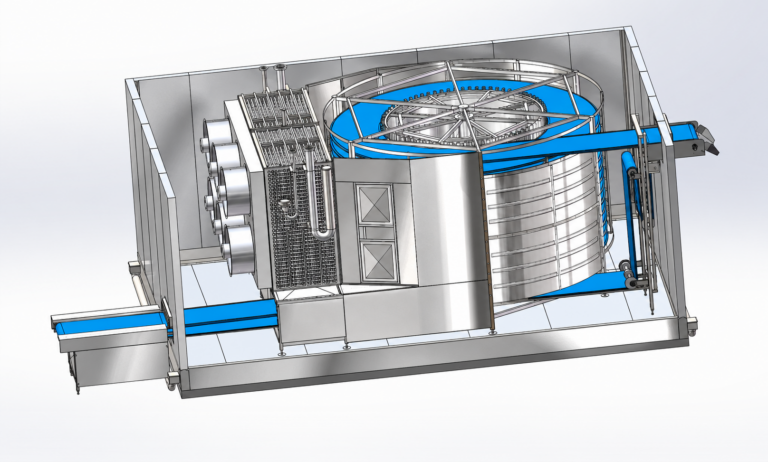
An IQF machine has a conveyor for steady product movement. It stops clumping as items shift. Evaporator coils and strong fans spread cold air evenly in the freezing path to hold steady heat levels in every area. Insulated stainless-steel boxes cut heat loss and meet HACCP safety rules for food. For example, our Single Spiral Freezer combines a tight spiral belt design that saves space yet runs smoothly for seafood, meat, or ready-meal uses.
Refrigeration and Cooling Mechanisms
Mechanical systems often rely on ammonia or CO₂ compressors for major jobs; cryogenic types use liquid nitrogen for very quick cooling rounds. Both depend on good heat transfer—they pull hidden heat from each bit at fast speeds. Keeping exact heat control matters a lot, because tiny changes can harm crystal growth or cause water loss. Our Impingement Plate Belt Freezer shows this mix well by using top and bottom fast air jets that drop core heat quickly without bending soft food tops.
Control Systems and Automation Features
Today’s IQF lines include PLCs for live checks on things like belt pace or room pressure. Data records allow tracking through all production steps—a must for worldwide food safety rules.
How Does the IQF Freezing Process Work?
The full freezing path—from prep to packing—aims for steadiness and cleanliness.
Pre-Freezing Preparation Stages
Items go through sorting, washing, and early cooling before the freezer path to gain an even size and heat spread. Wiping off outer water stops extra ice during work and boosting air touch inside the space.
The Freezing Phase Inside the IQF Machine
In the path or spiral area, moving air flows lift single pieces in action—what experts call fluidization—so each freezes alone without joining others. Settings like airspeed (up to 15 m/s), cold heat drops (−35°C to −45°C), and stay time get tight control for the best freeze results.
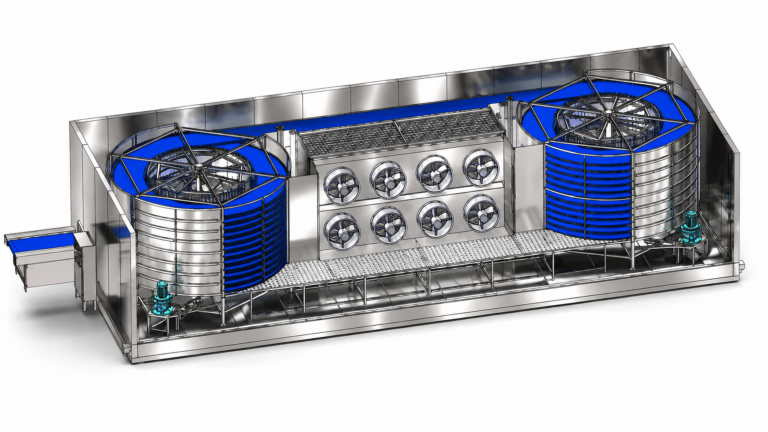
Our Double Spiral Freezer does this with two linked belts that spread cold air evenly near items while using less ground space—perfect for big plants making meat or baked goods non-stop.
Post-Freezing Handling and Packaging Considerations
Once out of the freezer end, items move over shaking or unclumping conveyors to avoid rejoining before packing. Smooth ties to later packing paths keep flow from start to sealed end without handwork—this lowers dirt risks.

Which Types of IQF Equipment Are Used Across Industries?
Various fields need special setups based on the item kind and size.
Mechanical IQF Freezers: Belt and Tunnel Designs
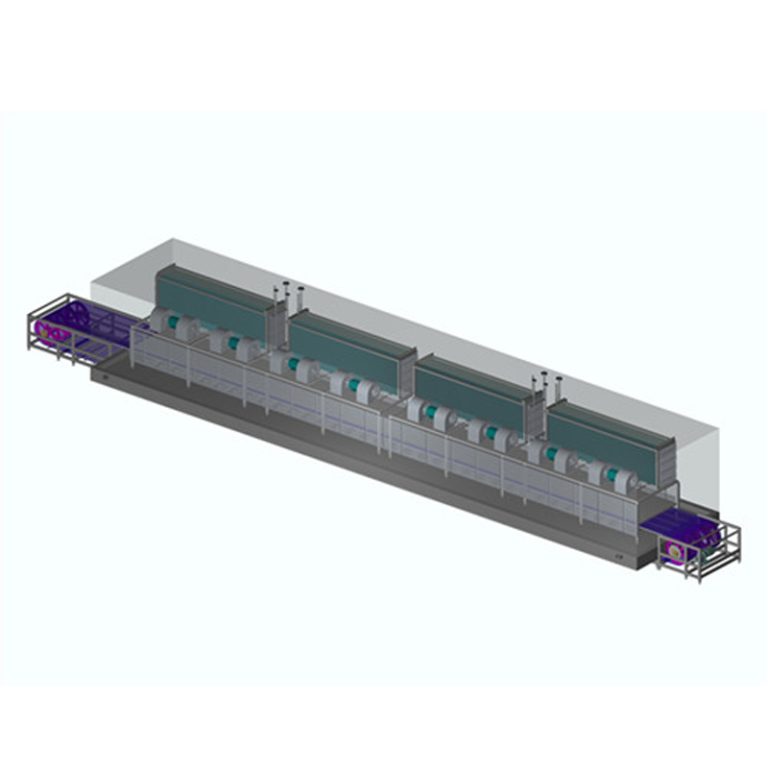
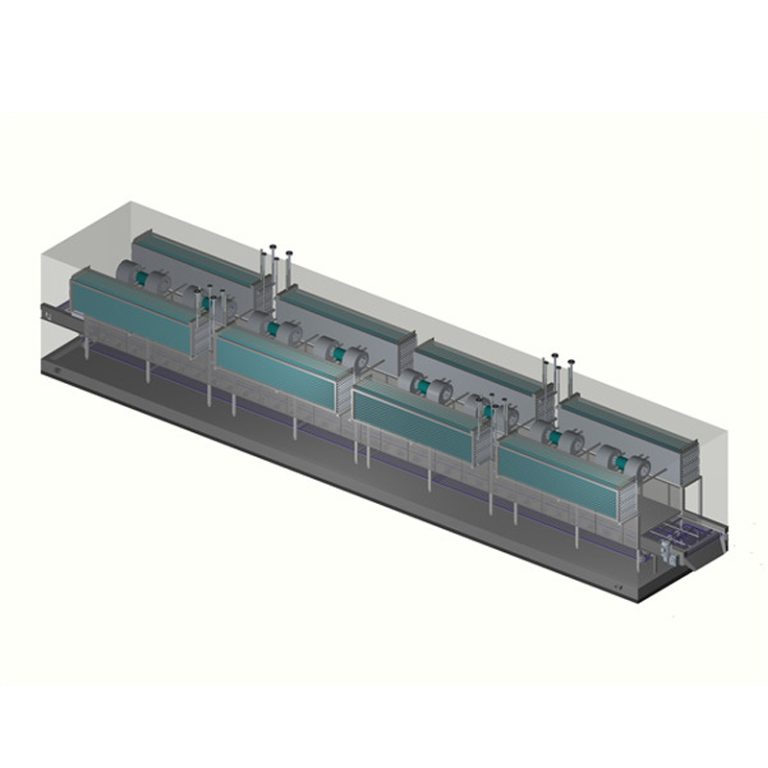
Belt freezers run without breaks at changeable speeds for different item weights or forms. Tunnel freezers have multi-area heat controls for step-by-step freezing—first outer firming, then inner solidifying—to raise output for large tasks like chicken or veggie work.
Cryogenic IQF Freezers: Liquid Nitrogen & CO₂ Systems
Liquid nitrogen setups give super-fast cooling, great for soft foods like berries or shrimp, where keeping feel counts. Carbon dioxide types provide fair freezing speeds but cheaper running costs than liquid nitrogen while cutting out dry-out seen in mechanical choices.
Our Impingement Mesh Belt Freezer highlights this fit—it uses SUS304 mesh belts that follow HACCP rules along with polyurethane insulation for low-energy work over long runs.
How Can Performance Be Optimized in IQF Operations?
Top work relies on energy handling, routine upkeep, and strict quality checks.
Energy Efficiency Strategies
Saving energy starts with variable frequency drives (VFDs) that adjust fan motors to match current needs; pairing them with heat reuse systems lowers overall cooling loads by turning waste heat to other plant uses.
Efficient Space Utilization: Compared with horizontal tunnel freezers, the footprint is greatly reduced under the same capacity. This design principle underlies why spiral configurations remain dominant—they provide higher yield per square meter while consuming less power overall.
Maintenance Best Practices for Longevity and Reliability
Regular check plans should focus on cleaning evaporator coils to keep airflow strong and balancing F-stop ops to shake wear on parts; now-and-then sensor resets ensure right heat maps over areas—key for proving HACCP record matches.
Quality Assurance Parameters
Watching crystal growth speed affects item strength, since slow speeds make big crystals that hurt cell walls. Heat mapping with air evenness tests checks gear work against world standards like CE certification on our machine lines.
What Emerging Trends Will Shape IQF Technology Toward 2026?
With global rules on green practices getting stricter, cooling advances head to eco-friendly options mixed with smart data tools.
Advancements in Sustainable Refrigerants
Many food processors are evaluating lower-GWP refrigeration options, including ammonia, CO₂, and hybrid systems, depending on plant scale, safety requirements, local regulations, and energy targets. They not only cut releases but also improve heat steadiness in changing load setups—vital for plants handling many items all year.
Integration of Smart Monitoring Technologies
IoT sensors now follow compressor health from afar; AI tools predict part wear for upkeep plans that slash stop times while protecting short-life stocks worth millions each year.
Customization for Niche Applications
IQF machines grow more modular—they let easy scaling changes fit to exact items like cut veggies or shellfish bits without full line reworks. Belt widths from 1 m to 3 m adjust to varied output needs, from 100 kg/h small lots to 10 t/h big industrial flows, all in current setups.
Who We Are — Your Partner in Advanced Freezing Solutions
At YONGXING, we focus on full quick-freezing solutions based on careful planning and client teamwork. Our key items: IQF equipment, fluidized tunnel freezer, spiral freezer, impingement tunnel freezer, food production lines, and other food processing machines. Our plant joins study, planning, making, sales, and setup in one place, backed by auto laser-cut centers and robot weld systems for fine build accuracy in every type.
We hold that care for small things leads to great work—that is why our main belief stays “attention to details, teamwork, and constant innovation to offer our satisfactory service.” Each task gains from close to twenty years of study and building know-how, plus CE certification, making standards known around the world. If you need a small single spiral freezer or a whole impingement tunnel setup tied to your line, we build each answer to your exact process aims while keeping full clean rules in all build steps.
To check custom auto choices or talk about coming tasks with green refrigerant shifts or digital watch upgrades, reach us via our main site any time; our tech advisors stand ready to help worldwide within hours of sending queries.
FAQ
Q1: How does an IQF freezer differ from conventional batch freezers?
A1: Unlike batch systems that freeze bulk volumes together, causing clumping or uneven cooling patterns, an IQF freezer isolates each particle using fluidized air currents, ensuring uniform, rapid freezing that preserves texture integrity across all pieces simultaneously.
Q2: Which industries benefit most from adopting IQF equipment?
A2: Sectors including seafood processing plants handling shrimp or fish fillets, fruit packers managing berries, vegetable producers supplying diced ingredients, and bakeries producing dough pieces—all gain extended shelf life and improved thaw recovery rates via individual quick-freezing technology integration.
Q3: What factors determine which type of IQF machine suits my facility best?
A3: Key considerations include product moisture content, desired throughput capacity per hour, available floor area constraints, and target energy efficiency levels—mechanical spiral units suit continuous high-volume lines, whereas cryogenic models fit delicate premium-grade goods requiring ultra-fast chilling cycles without deformation risks.