
 In the food industry’s storage and shipping, the idea of Individual Quick Freezing (IQF) builds the base for keeping food in good shape. This way quickly freezes single items like fish, chicken, or baked goods to hold their fresh feel and firmness. The fast heat pull cuts down on big ice buildup, which keeps the cell setup and food value strong in every item.
The setup depends on strong cool air flows that wrap around each part, giving a smooth heat drop on all sides. Such care matters a lot since any slowdown in freezing might lead to drying out or loss of firmness. In our single spiral freezer, frozen items travel fast along a winding route where cool air spreads evenly, so they keep their flavor and newness even with short times in it. Items travel swiftly through the spiral freezer, and they cool down rapidly because of its close winding build.
Structural Design of a Spiral Freezer System
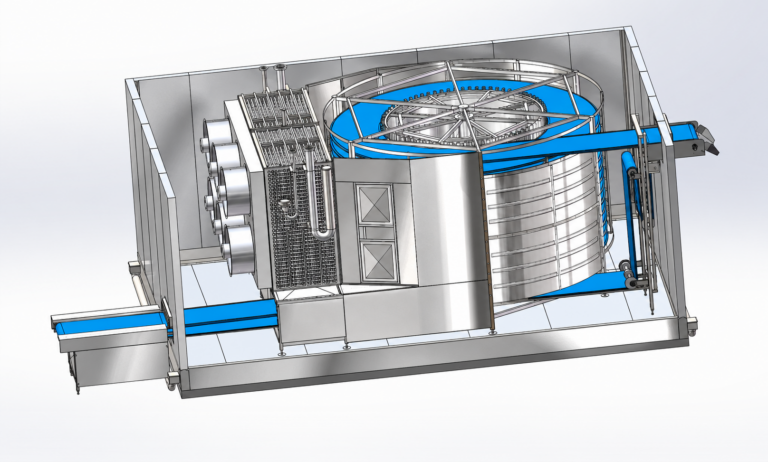
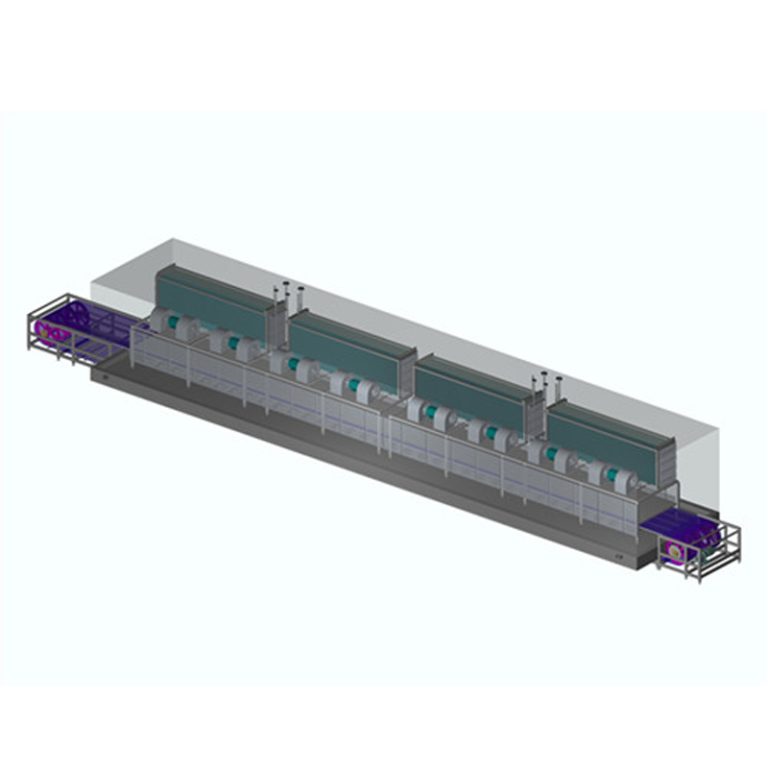
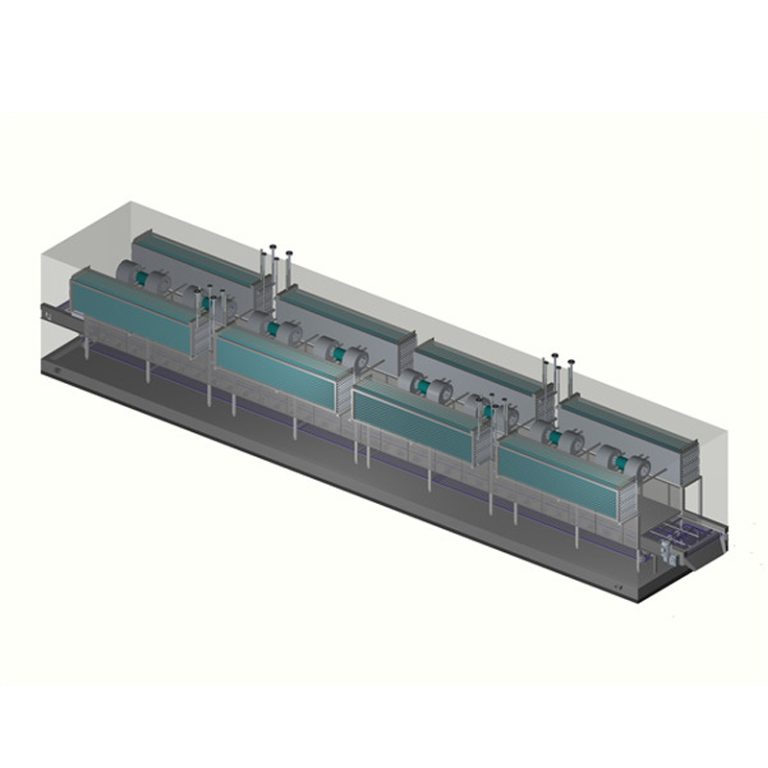
The build of an IQF spiral freezer mixes machine work with heat handling. A winding conveyor lets freezing go on steadily in a small area, so it handles lots of items without needing more floor space. Several layers boost the area open to cool air flows, which improves even freezing and cuts power use.
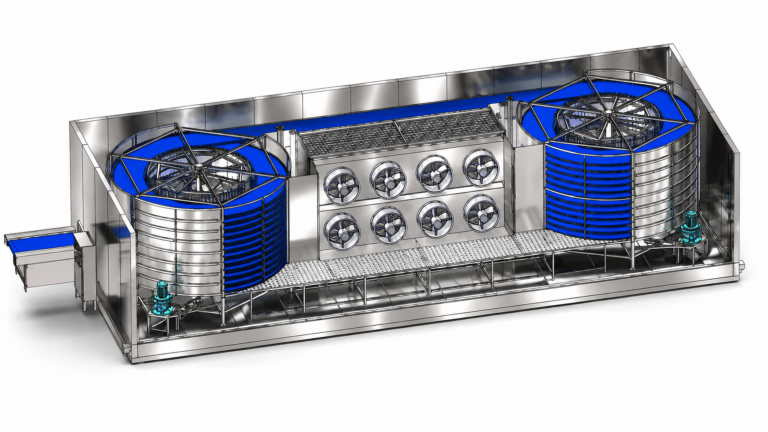
Our Double Spiral Freezer shows this by joining two side-by-side winding mesh belts, giving great handling power while using little ground. This is a solid, power-saving, always-running machine for factory food freezing, common in mid-size and big plants, with main strengths like good freezing strength, small space taken, and a high automation level. The shell setup keeps air moving steadily and holds back heat loss, a main point for steady item separation.
Temperature Dynamics Within the Spiral Freezer
Heat Exchange Mechanisms in the Freezing Zone
Inside the freezing space, the pushed airflow leads the heat away from the items. Cool air made by evaporator coils moves at set speeds to pull hidden heat well through refrigerant control. Handling heat differences stops uneven freezing or side drying that might weaken item quality.
Our design method aims to improve the mix of airspeed and heat evenness. Rapid passage through the maximum ice crystal formation zone helps form smaller ice crystals and reduce structural damage in food tissue. This leads to less liquid loss after melting and nicer-looking items, a steady mark in our spiral freezer range.
Airflow Distribution and Velocity Control
Smooth airflow spread over every conveyor layer makes sure the item’s heat stays the same throughout. Fans with changeable speeds give exact control over stay time and cooling power based on item kind, like soft-baked goods or thick meat pieces. Computer airflow studies help us polish air routes for the best output. In single and double winding setups from our Spiral Freezer Series, we use smart pipe shapes to keep even air push across layers. This avoids cool patches or hot areas that could change output steadiness.
Refrigeration System Integration and Control Strategies

Role of Refrigerants and Evaporator Configuration
Choosing the refrigerant, shaping the system’s work, following green rules, and freezing the pace. Evaporator spot changes how air spreads near items and sets frost to build over time. Set defrost rounds to mature to keep the top heat swap working without hurting the output flow.
Our setups often add ammonia or CO₂ cooling lines because of their low warm-earth effect and better heat traits. Certain types use a blend of water wash and hot ammonia defrost, keeping evaporators clean, bettering heat swap output, and cutting power usage.
Advanced Temperature Monitoring Systems
Watching the temperature at the core of the holding process’s steadiness in an IQF freezer is important. Sensor groups keep checking the air and item temperatures across many areas. Live input allows for quick changes to compressor load or fan work based on real states, not just set points. Linking with PLC setups aids in planning by spotting changes soon. This auto work cuts hand help while bettering power fine-tuning, a key sign in our auto line builds.
Process Optimization for Product Quality Preservation
Balancing Freezing Speed with Product Integrity
Mixing freezing pace with building, keeping marks good IQF work. Too fast cooling might cause breaks in soft foods; on the other hand, slow rounds risk big ice crystals that harm the texture. Water shift gets cut through the exact dampness handled in the space. The system can be configured to help products reach the required core temperature, often around -18°C depending on product type, inlet temperature, residence time, and process requirements.
Energy Efficiency Considerations in IQF Operations
Power saving remains one of our main build guides. Variable frequency drives (VFDs) set motor speeds by load need, cutting power use by much in part-run cycles. Heat-taking systems grab extra energy from compressors for side heat uses in buildings. Small insulation size, long heat swap route, and low power use. Good insulation directly sways the whole system’s work, so we use many-layer polyurethane walls made for little heat leak, making sure the cost holds over years of steady service.
Maintenance, Calibration, and Performance Validation

Routine Maintenance Practices for Stable Operation
Regular upkeep locks in long-term trust in any IQF spiral freezer setup. Steady checks of belts, fans, bearings, and evaporators help stop machine breaks that might cut production times. Clean steps lower dirt risks while keeping airflow the same, which is key for clean rules under HACCP marks. Oil plans fit for cold states to make sure smooth conveyor moves even under big loads common in fish or meat work spots.
Calibration Techniques for Accurate Temperature Control
Right temperature tuning holds up every part of quick-freezing work. Regular sensor tuning makes sure there are true reads across areas; check that steps line up real item heats with set points noted via digital record systems. These notes act as track docs backing long-term work review and rule checks, a must for world cert follow, like CE or ISO22000 marks often asked for by global buyers.
Before looking at more new ideas in IQF tech, it pays to meet the team behind these steps: Yongxing, a freezing equipment manufacturer. Shaoxing Shangyu Yongxing Freezing Equipment Co., Ltd. is a manufacturing enterprise specializing in research, design, production, sales, and installation of quick-freezing equipment. Our plant joins smart machine spots like auto laser cutters and robot weld systems run by engineers with close to 20 years in cooling design. We stick to “quality-oriented integrity management” as our work view while helping fields from sea goods to ready meals around the world via fixes like single spiral freezers and double spiral freezers. For those wanting a full tech talk on adding IQF setups to current lines or new spots, you can look more at About Yongxing, where our help skills are shown fully.
We keep polishing every build part, from airflow study to sensor tuning, to make sure each setup gives even results at factory size while staying green over its life.
For custom build help on your next freezing task or questions about setup services worldwide, please contact us via our main page, where skill advisors answer fast with tech tips fit to your making goals.
FAQ
Q1: How does an IQF spiral freezer maintain consistent product separation during freezing?
A1: The system uses controlled high-velocity cold airflows circulating uniformly around each layer so that individual pieces freeze independently without sticking together; this ensures true individual quick freezing even at high throughput rates.
Q2: What factors determine optimal residence time inside a spiral freezer?
A2: Residence time depends on product size, moisture content, inlet temperature, target core temperature, belt speed settings controlled via VFDs, and overall chamber load—all dynamically adjusted by integrated PLC logic for precision outcomes.
Q3: Why is regular calibration important for IQF equipment?
A3: Calibration aligns sensor accuracy with actual thermal conditions inside the chamber; without it, deviations accumulate over time, leading to uneven freezing patterns or excessive energy use—hence, scheduled calibration ensures operational stability year-round.