
Frozen food buyers are less forgiving. They want clean pieces, reliable portions, and packs that pour easily. Processors face uneven raw materials, higher power costs, and more SKUs. Food freezing equipment can no longer be chosen by hourly capacity alone. It has to suit the product, factory, and final pack.
Individual quick freezing addresses a common problem: pieces that enter the cold zone separately should leave the IQF freezer separately. A sound IQF freezing process also removes heat quickly enough to limit quality loss. The idea is simple. The details are not.
How Does the IQF Freezing Process Work?
Every line follows the same broad path, but product condition changes the result more than many buyers expect.
What Happens Inside an IQF Freezer?
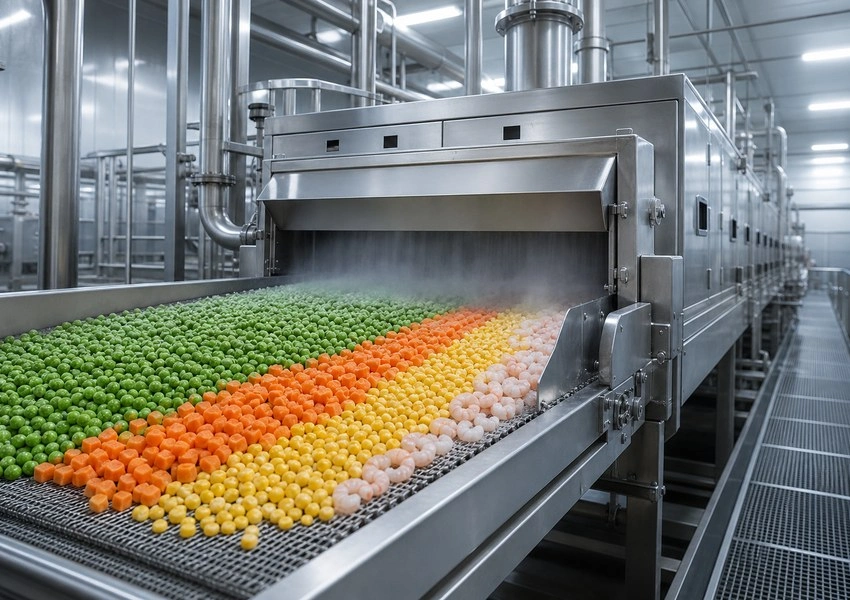
The product needs an even feed. Excess water, mixed sizes, or sudden surges can turn a good IQF freezer into a cluster manufacturer. Inside the tunnel, cold air moves around each piece while conveyor speed sets freezing time. Air temperature matters, but airflow and bed depth often matter just as much. A colder room will not fix a belt buried under product.
The IQF freezing process works best when four settings stay in balance: feed rate, air speed, air temperature, and residence time. Small peas behave differently from warm shrimp or a thicky formed snack. Good IQF technology supports clear recipe changes. Samples should be checked across the belt, not only in the center, because edge loading and blocked airflow can hide a weak spot. After discharge, quick packing and stable cold storage protect the work already done. Individual quick freezing is a line process, not a box that simply makes food cold.
Which IQF Equipment Fits the Product?
Machine style should follow product behavior. Floor space matters, but it should not lead the decision.
How Should Different Freezer Designs Be Compared?
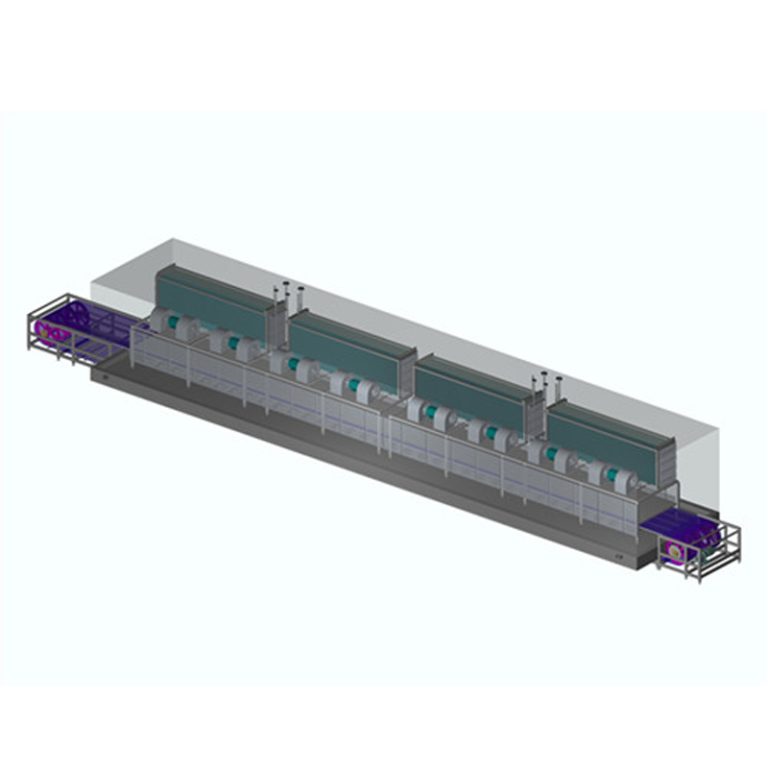
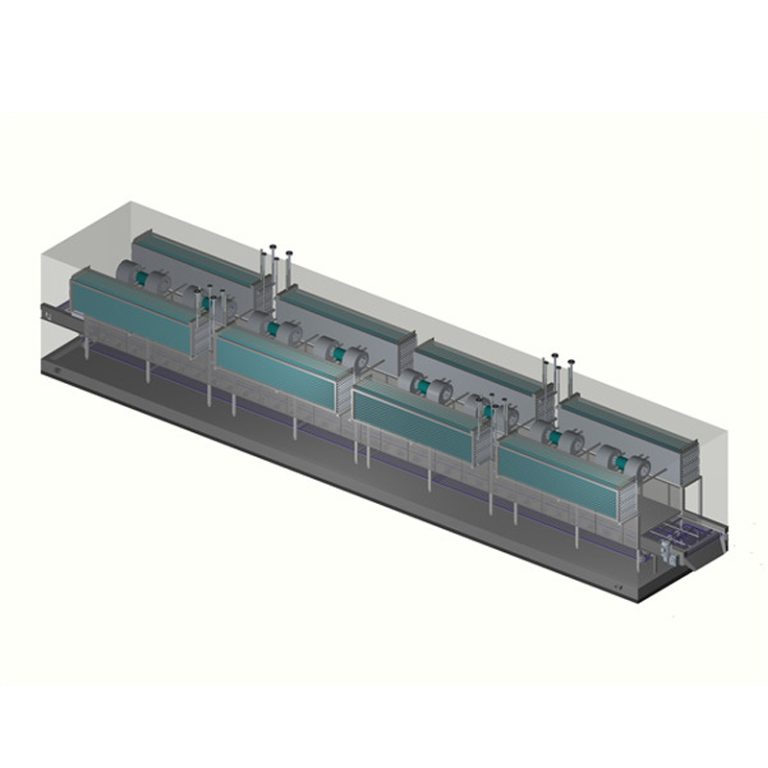
An impingement mesh belt freezer suits flat or regular pieces that respond well to strong air above and below an open belt. Seafood, meat, bakery items, and prepared foods are common examples. This IQF equipment can freeze quickly, though wet or light products may move, stick, or dry under aggressive airflow.
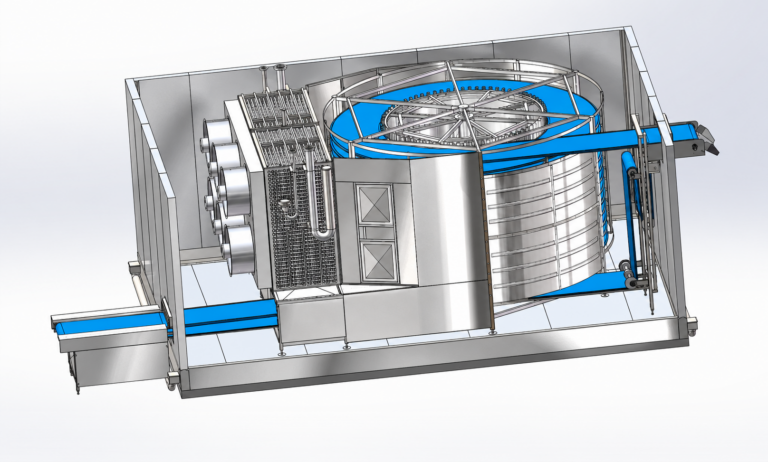
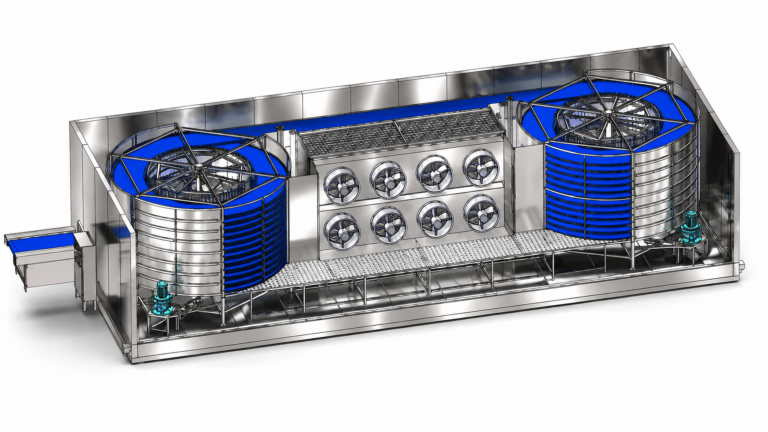
A single spiral freezer puts a long belt path into a smaller footprint. It suits tight factories when products can travel through several tiers without losing shape. Belt loading still needs care. Pieces touching at the infeed may remain joined after freezing.
For regular blocks, trays, or packaged portions, a shelf plate freezer may be more sensible. Direct plate contact is compact, but it does not create loose pieces. That distinction keeps buyers from paying for the wrong food freezing equipment. Product trials and an agreed cluster limit reveal more than a polished capacity chart. Belt width, cleaning access, defrost timing, and refrigeration duty deserve the same close look.
What Are the Real Benefits of IQF Technology?
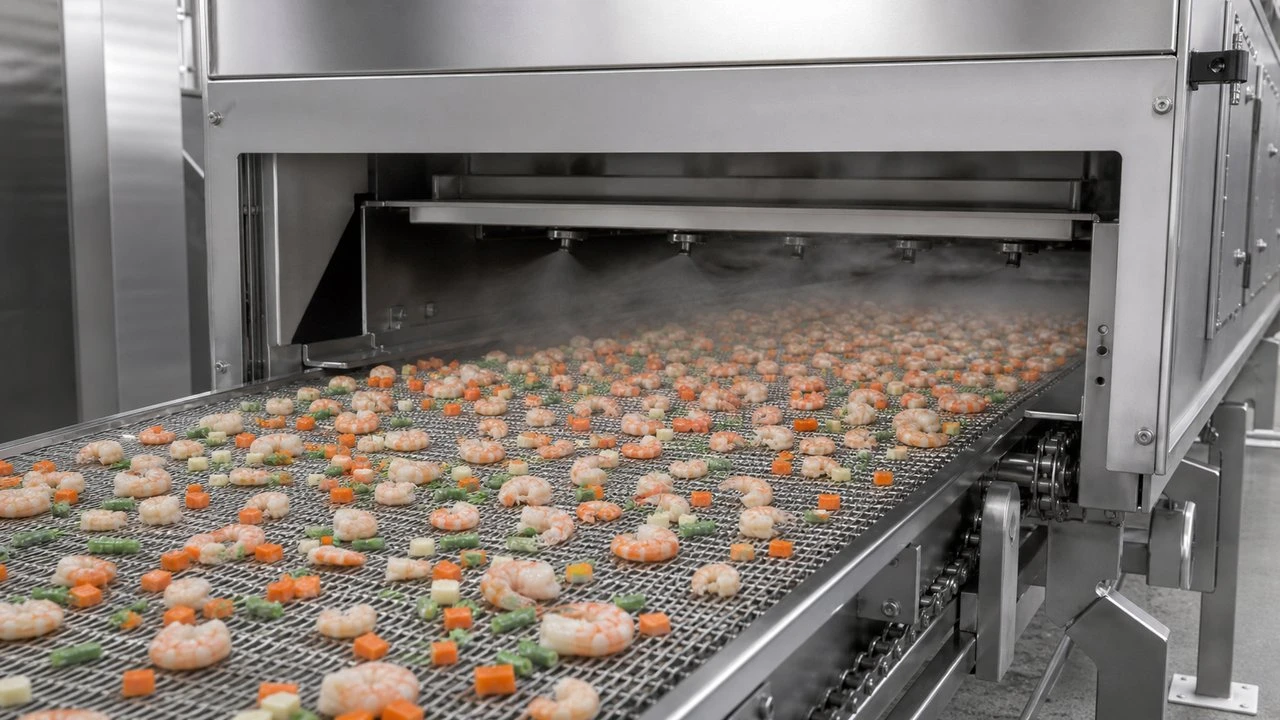
The most visible benefit is separation. Free-flowing food is easier to weigh, blend, pack, and portion. Less breakage and rework can improve saleable yield. Faster heat removal may protect texture, though raw material and storage still matter.
The IQF vs blast freezing question comes down to the finished pack. Blast freezing works for cartons, trays, large cuts, or smaller batches. An IQF freezer makes sense when customers expect loose pieces and accurate dosing. A fair IQF vs blast freezing trial uses the same product and temperature targets. Record cluster rate, drip loss, pack speed, labor, and power per saleable kilogram. IQF technology brings value when those gains cover the added cost.
What Should Buyers Check Before Ordering Food Freezing Equipment?
A useful quotation starts with normal production data. Three checks keep it grounded:
- Share piece size, surface moisture, entry temperature, target temperature, average rate, peak rate, and any blanching, cooking, glazing, or precooling step.
- Define what acceptance looks like, including discharge temperature, cluster rate, visible damage, sustained capacity, and the method used to take samples.
- Confirm space, drainage, refrigeration, cleaning access, upstream feed, downstream packing, maintenance clearance, and local utility limits.
These details make IQF equipment proposals easier to compare and expose hidden assumptions. A rate based on dry, precooled product may fall with warmer or wetter material. Purchase price is only the start; power, water, cleaning, spare parts, product loss, and downtime continue for years.
Why Does the Supplier Fit This Work?
YONGXING has nearly thirteen years of experience with continuous and batch quick-freezing systems. Its range covers impingement mesh belt, spiral, and plate designs, so a project need not begin with one machine already chosen. Product condition, capacity, space, sanitation, refrigeration, and packing can be reviewed before the IQF freezer is specified. Support covers layout, manufacturing, installation, commissioning, training, and parts planning. That broad view helps when IQF technology is compared with other food freezing equipment.
Individual quick freezing works when separate pieces and flexible packing have value. The right IQF freezing process starts with the product and ends at cold storage. Airflow, belt loading, freezing time, cleaning, and downstream handling count. Judge the machine by saleable output over a shift, not the coldest brochure reading. For a more detailed, see our guide on another text.
FAQ
Q1: Is an IQF Freezer Suitable for Every Food Product?
A1: No. An IQF freezer is a strong fit when pieces need to stay separate and the product can move through the line without serious sticking, breakage, or shape loss. Peas, diced fruit, shrimp, meat portions, bakery pieces, and prepared foods are common candidates, but each one behaves differently. Surface water can freeze pieces together. Very light food may shift under fast air. Thick products need more time, while soft items can deform before the outside sets.
Q2: What Determines the Capacity of IQF Equipment?
A2: Capacity depends on the heat load and the way the product meets the air. Piece size, composition, entry temperature, target core temperature, surface moisture, belt loading, air speed, and freezing time all affect output. That is why one IQF freezer can handle more small, precooled vegetables than thick, warm meat portions. A single tonnes-per-hour figure tells very little unless the design conditions sit beside it.
Q3: How Should a Processor Start an IQF Project?
A3: Start with the real product and a short data sheet. Include dimensions, piece weight, surface condition, entry and target temperatures, required output, operating hours, available space, refrigeration details, cleaning rules, and pack format. Add the business reason as well. Better separation, less giveaway, a new retail pack, or higher line speed may justify different food freezing equipment.