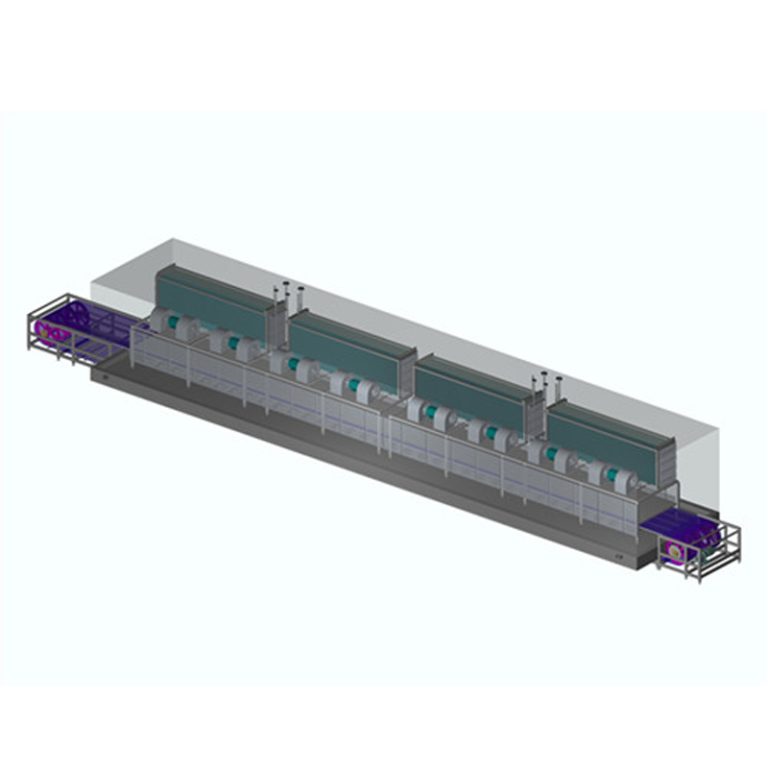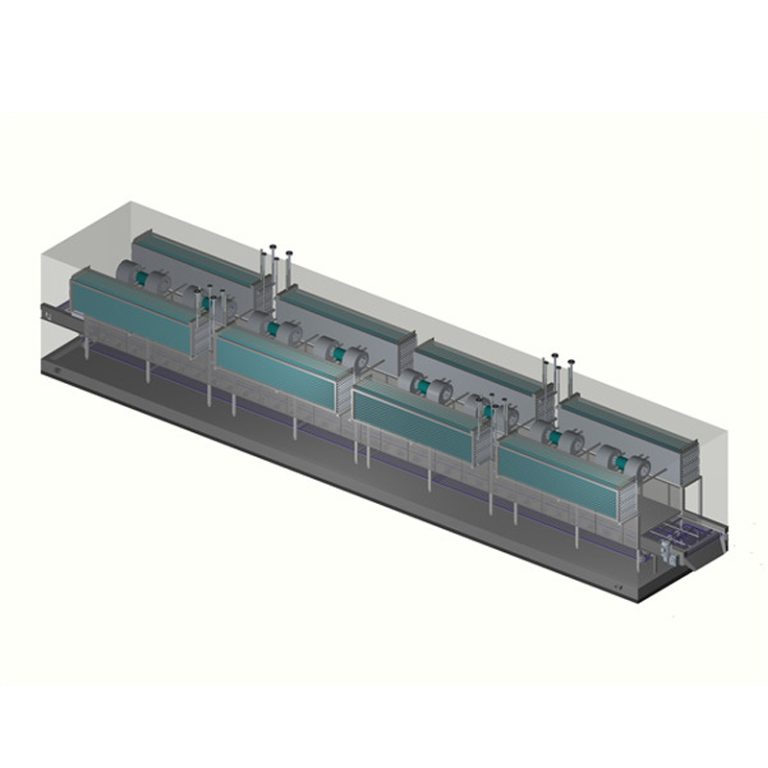

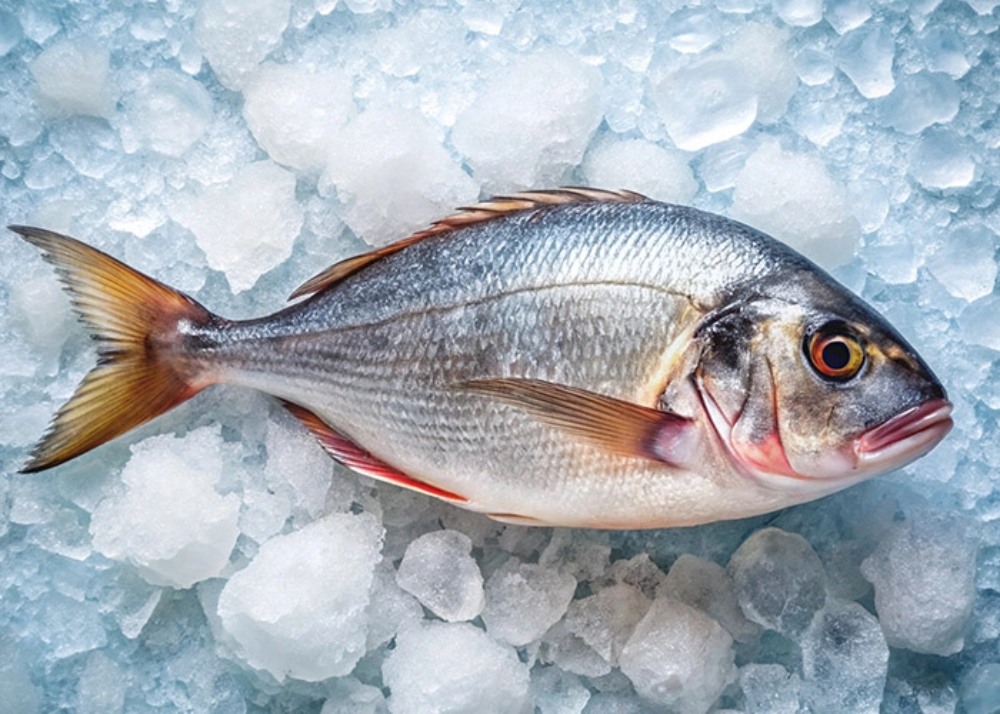
Freezing stands out as a highly effective way to preserve food in the industry, which slows down the growth of microbes and enzyme actions. This approach stretches the shelf life of products. At the same time, it keeps the taste, feel, and nutritional value intact. The speed at which food moves through the zone where ice crystals form plays a key role. It decides if the texture holds up well or breaks down when thawed. Factories use freezing setups that manage temperatures, air flow, and output rates carefully. They tailor these to fit exact product demands. Take the fluidized bed tunnel freezer, for example. It relies on well-managed streams of fast-moving cold air. These streams lift single food bits into a floating state as they travel along the tunnel. This method guarantees uniform freezing,and it also stops pieces from sticking together.
Overview of Freezing Technologies in the Food Industry
Evolution of Freezing Techniques
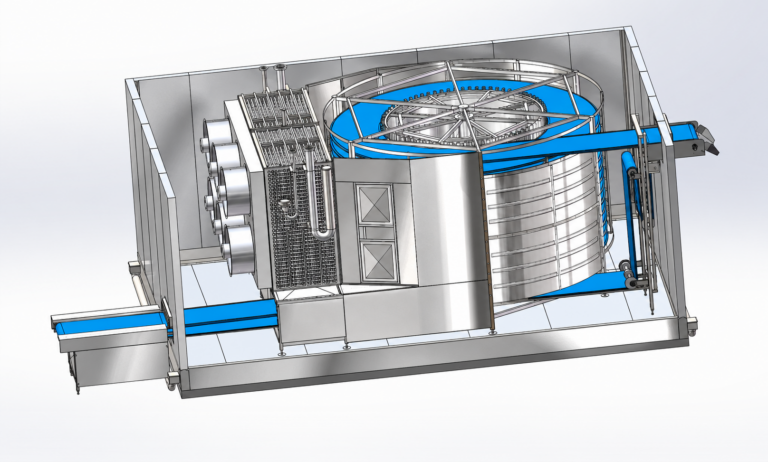
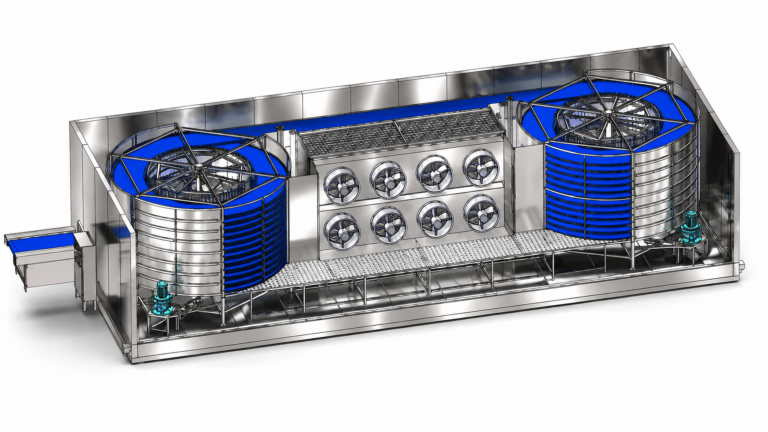
Basic mechanical setups like air-blast and plate freezers started the shift toward factory-scale freezing. However, they suffered from gradual cooling speeds and patchy heat removal. The arrival of Individual Quick Freezing (IQF) changed manufacturing completely, which allowed quick outer-layer freezing for separate items such as peas or shrimp. As years passed, new ideas like spiral freezers and impingement tunnels boosted power savings and automatic features. Consider a reliable, power-efficient, and nonstop-running heavy-duty food quick freezer unit. This type sees wide use in mid-sized and large food plants. Its main strengths include robust freezing power, compact size, and strong automation. Such designs show how today’s systems blend small layouts with top-notch output.
What Makes IQF Equipment Technology Distinct?
Core Principles of Individual Quick Freezing
IQF gear freezes every bit on its own through swift heat pulling with cryogenic gases or standard refrigeration. This step stops clumping, and it also protects cell structure and seals in fresh color and vitamins. Within the tunnel, the cold level hovers from minus 30 to minus 40 degrees Celsius. The whole freezing process happens in just 3 to 15 minutes. As a result, items like berries stay solid. Seafood keeps its soft feel. Overall, you get a steady supply of top-quality frozen goods, and these work well for store packs or factory applications.
Components and Operation of an IQF Machine
Current IQF units feature conveyor belts or fluidized beds, and these expose each part evenly to icy air flow or cryogenic gas. Parts like evaporators, fans, defrost tools, and control boards ensure smooth running under changing setups. The way air moves controls evenness for various bit sizes. Built-in tracking systems fine-tune power usage. For instance, our fluidized bed tunnel freezer uses a stainless-steel build paired with variable frequency drives. This setup offers excellent temperature control, and it also cuts down on moisture loss—perfect for fruits, vegetables, seafood, or ready meals.
How Do Traditional Freezing Methods Compare Technically?
Common Conventional Freezing Systems
Air-blast freezers send strong cold air over trays. Yet they often yield spotty outcomes on odd-shaped items, which stems from uneven air spread. Plate freezers use direct touch with metal for quick conduction. But they only handle block-like goods such as fish fillets or meat slabs. Cold spreads into aluminum plates where food meets them. When operators press the plate sides close, it builds firm contact, which cuts down on patchy warming. Such a method fits group runs but not loose bits.
Technical Drawbacks of Conventional Systems
Older approaches run into problems like slower freezing speeds. These lead to bigger ice crystals that harm the texture when thawed. Goods frequently stick as a mass, which makes later packing steps harder. Regular defrost runs also hike upkeep expenses and stoppages. Understanding the gap between IQF equipment vs. traditional freezing helps processors recognize that modern automatic controls and easy-to-clean air routes solve most of these legacy issues.
Which System Performs Better: IQF Equipment vs. Traditional Freezing?
Heat Transfer Efficiency and Freezing Rate Comparison
When evaluating IQF equipment vs. traditional freezing, the primary distinction lies in how heat is extracted from the product. IQF gear reaches quicker drops in core temperature. That’s because each item sits fully in cold surroundings. It doesn’t depend on the overall air flow through piled layers. On the other hand, standard systems face delays from poor heat flow in thick setups. In a spiral freezer, frozen food travels fast through the coiled path, which cools rapidly due to the close spiral layout. This highlights how fresh designs shorten freezing routes, and they also ramp up output at the same time.
Product Quality Retention Metrics
Quick freezing limits breaks in cells, which holds onto firmness, true color, and nutrient levels. Plus, it lowers fluid loss when thawed—vital for high-end seafood or sensitive crop lines. Stability against microbes gets better, too. Shorter time in the open cuts the risks of germs before full freezing sets in.
Energy Consumption and Operational Efficiency Analysis
IQF setups might pull more power at peak times from heavy cooling needs. However, their brief runs mean less total energy per kilogram frozen. Smart air flow handling cuts frost buildup on evaporators, which boosts running time over older models.
How Can IQF Equipment Be Integrated into Industrial Lines?
Automation and Process Control Advantages
Today’s IQF machines link easily with SCADA or PLC systems. They allow instant tweaks from pre-cooling all the way to packing. Built-in cleaning-in-place (CIP) features cut down on handwork. They keep hygiene rules like HACCP in check at the same time.
Scalability and Customization Options Across Food Categories
Adjustable belt pieces handle soft fruits or seafood with care. Or they speed up for chopped meats or veggies. Modular builds let you grow capacity without big changes to the base setup. Our shelf-plate freezer shows this adaptability, which offers upright or flat arrangements suited to seafood blocks or ready meals.
Does IQF Offer Economic Benefits Over Time?
Capital Investment vs Lifecycle Cost Assessment
The upfront cost exceeds that of standard freezers. Yet over the full life, expenses drop a lot thanks to fewer losses in products and longer gaps between fixes. Easy-to-clean air paths reduce stoppages, and they also ensure steady work all year.
Return on Investment Through Quality Retention
High-end frozen items fetch better prices when made with IQF tech. That’s because their texture stays close to fresh after thawing. Lower rates of redoing work boost profit numbers in big operations, which holds especially in meat handling, where single portions count most.
What Innovations Are Shaping Future IQF Technology?
Advancements in Cryogenic Media Utilization
Current studies aim to improve the flow of liquid nitrogen or carbon dioxide. The goal is better ratios of energy to product output. They seek this without losing pace or evenness.
Integration with Smart Manufacturing Technologies
Tools for predictive upkeep use machine learning now. They spot issues early from shakes or heat patterns, which stretches gear life. It also cuts surprise halts in round-the-clock shifts.
Why We Lead in Professional Quick-Freezing Solutions
As a company focused on research, design, making, selling, and setting up quick-freezing gear for more than ten years, YONGXING delivers full solutions matched to various fields like aquatic products, meat handling, fruits and vegetables, bakery items, and prepared foods. Our main belief is “attention to detail, teamwork, constant innovation, and offering our satisfied service.” We treat each client with honest care and expert advice. Our range covers spiral freezers for tight areas, impingement tunnels for fast hit cooling, fluidized bed tunnels for small goods, and hydraulic plate freezers for block types (hydraulic plate freezer). It also includes complete food lines that mix cleaning and packing parts. Under our rule “quality-oriented integrity management,” we draw on solid tech backing. This includes automatic laser cutting spots and robot welders. They guarantee an exact building at every step.
We welcome experts looking for solid quick-freezing options to check out our cutting-edge tools on our main site. Our staff is set to give tech help from plan start to ongoing upkeep—reach out through our contact section (Contact Us) for advice fit to your output aims.
FAQ
Q1: What distinguishes an IQF machine from a conventional freezer in terms of product handling?
A1: The main difference in IQF equipment vs. traditional freezing is individual handling. An IQF machine freezes each piece individually using rapid air circulation or cryogenic media so items remain separate without sticking together; traditional batch systems freeze masses collectively, causing clumping issues during storage or packaging.
Q2: How does quick freezing affect nutritional retention compared with slow freezing methods?
A2: Rapid passage through the critical ice crystal zone minimizes cell rupture; therefore, vitamins like vitamin C remain higher than those retained under slow air-blast conditions, where large crystals form inside tissues.
Q3: Can existing production facilities upgrade incrementally toward IQF integration?
A3: Yes—modular design allows gradual adoption; processors can start with standalone spiral units and then expand into fully automated lines incorporating fluidized bed tunnels or plate freezers, depending on throughput requirements.