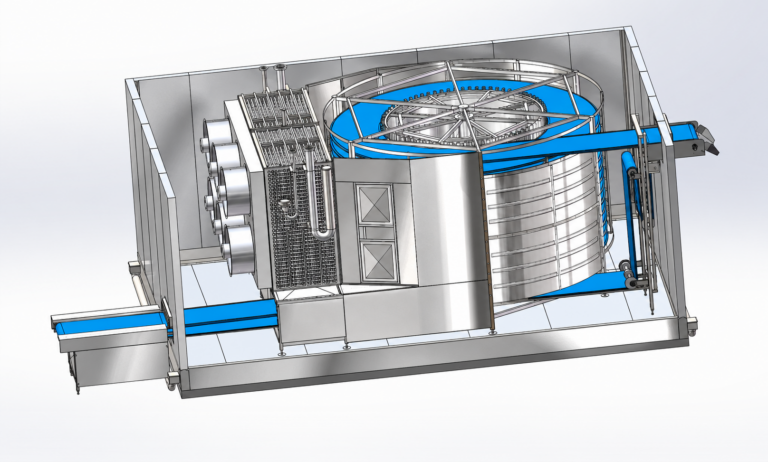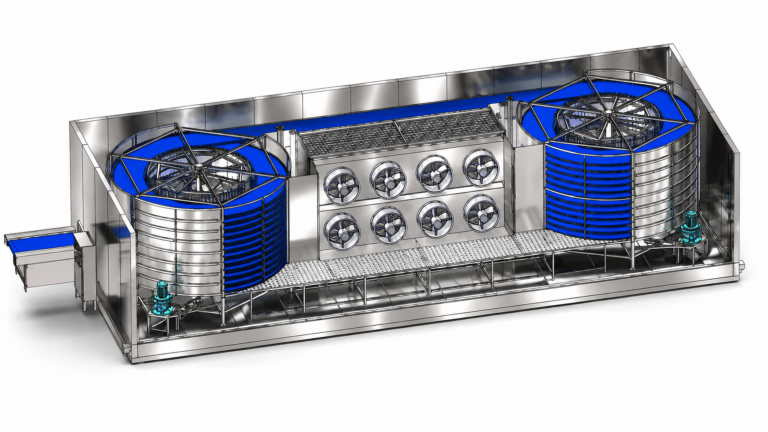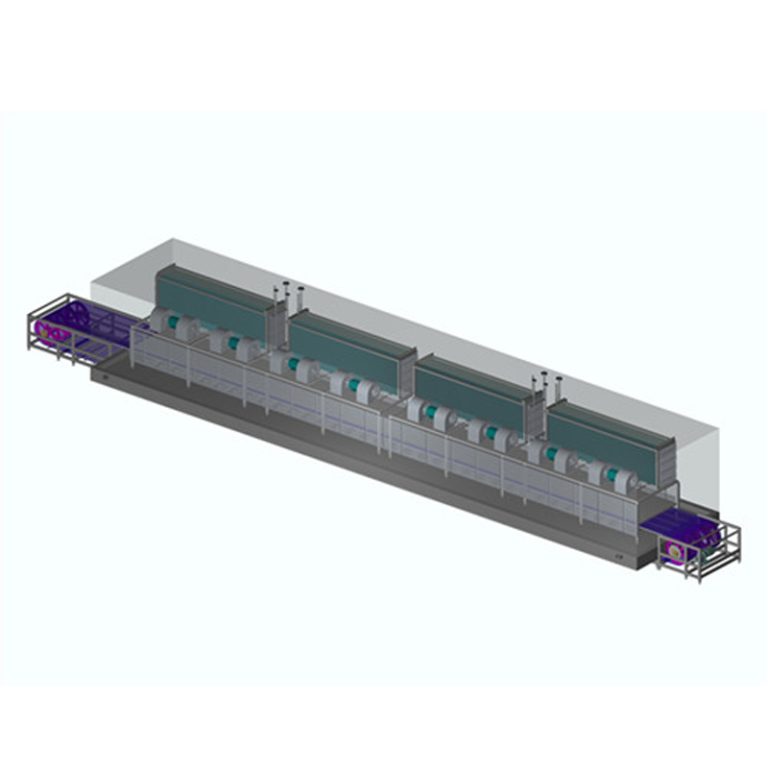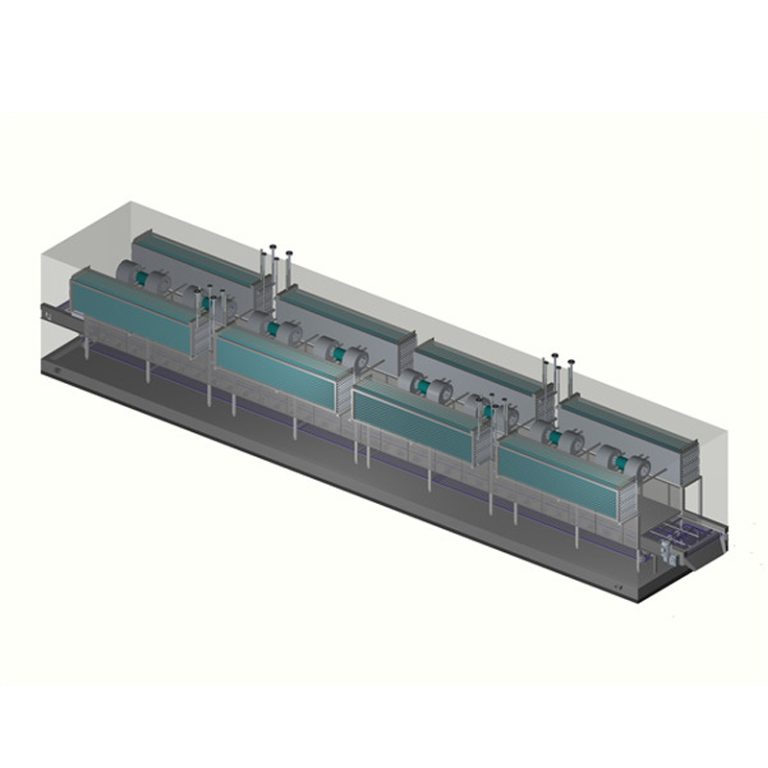


At the heart of today’s frozen food production sits individual quick freezing (IQF) technology. This approach freezes each piece of food on its own instead of in one large block. As a result, every item keeps its shape, texture, and nutrients once it thaws. The tunnel-style IQF freezer runs without stops. Food travels on a belt through areas filled with very cold air that moves fast and pulls heat away from both the surface and the center. Unlike batch or plate systems, tunnel freezers keep output steady and suit busy factory lines that need even results and quick cycles.
Evolution of IQF Technology in Industrial Applications
IQF systems have grown alongside better refrigeration methods and automation tools. Older versions struggled with airflow and power use. Newer models add variable frequency drives, digital sensors, and smart control programs. These changes cut freezing time from hours down to minutes and improve how consistent the results are. Shaoxing Shangyu Yongxing Freezing Equipment Co., Ltd. focuses on research, design, production, sales, and installation of quick-freezing equipment. Its focus on new ideas shows how industrial IQF tunnel freezers now work as automated units that link smoothly with preparation and packaging steps.
Core Components and Working Mechanism of an IQF Tunnel Freezer
Major Components of the System
An IQF tunnel freezer includes several main parts. Stainless steel mesh or plate belts carry the product. Strong fans move air around the chamber. Evaporators hold the low temperatures. Defrost systems stop ice from building up on the coils. Ammonia or CO₂ moves through the heat exchangers to pull heat out fast. Insulated panels made with low-conductivity materials keep the cold inside and limit energy loss.
Products must meet global, national, and industry rules. Safety starts at the design stage and stays under tight control during every production step. This careful approach guides all part choices in our IQF machine range.
The Freezing Process Step by Step
The process starts when fresh items enter the inlet belt. A short pre-cool stage steadies surface moisture before the main freezing area. Inside that zone, cold air moves at speeds above 10–15 m/s to draw heat out quickly. Dwell time depends on product size. Small berries may finish in about five minutes, while larger meat pieces need more time. Airflow switches between top and bottom jets so cooling stays even on every layer. At the end, the exit belt carries the fully frozen items straight to packaging or glazing without extra handling.
Efficiency Factors in IQF Tunnel Freezers
Thermal Efficiency Optimization
Good thermal performance needs steady heat transfer across all surfaces while avoiding frost that blocks airflow. Design tweaks such as adjustable fan angles and smooth duct shapes help spread the temperature evenly along the tunnel. Variable frequency drives let operators change fan speed to match the current load and avoid wasting power during lighter runs. Power reaches the fan through a motor controlled by a VFD, so the fan uses less energy. This kind of control cuts running costs and reduces wear on the equipment.
Energy Consumption Management
Keeping energy use low matters for daily operating costs. Smart monitoring tracks compressor output, pressure differences on the evaporators, and total kWh per kilogram frozen. Some newer models add heat recovery loops that reuse waste heat for defrosting or plant heating. These steps lower overall energy spend compared with older static freezers.
Enhancing Product Quality Through IQF Technology

Preservation of Texture, Color, and Nutrients
Fast freezing stops large ice crystals from forming inside cells. This helps keep texture after thawing. The product moves quickly through the crystal-forming range, which locks in natural color and flavor while cutting drip loss. Vegetables stay crisp, seafood holds its firmness, and meat keeps its juice level close to fresh.
Maintaining Product Separation During Freezing
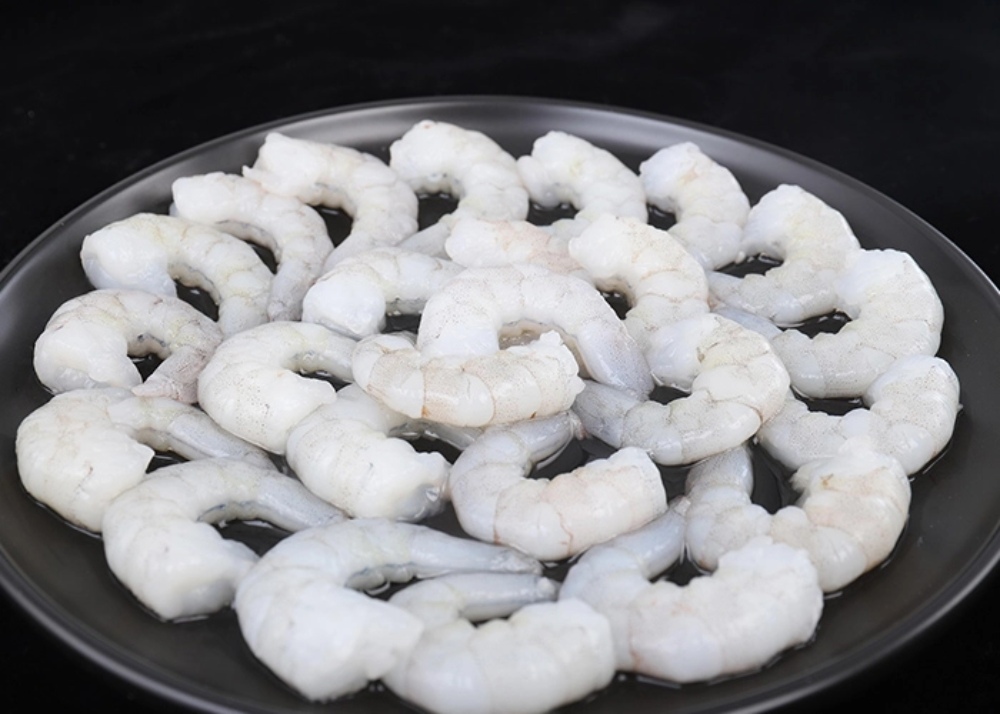
Even airflow stops pieces from clumping together, which often happens with diced fruit or shrimp. Belt surfaces are chosen for low sticking, and light vibration under the mesh helps keep items apart during the cycle. The outcome is a free-flowing product that works well with later weighing and packing steps.
Processors who want better separation across many product types can look at our Fluidized Bed Tunnel Freezer. It lifts particles in controlled air streams for strong results.
Integration of Automation and Smart Controls in IQF Systems
Role of Sensors and Real-Time Monitoring Technologies
Modern IQF tunnels use many sensors for temperature, pressure, humidity, and airflow. Data feeds into PLC systems that adjust refrigerant flow and fan speed automatically. Logging functions support traceability required by food safety rules and help plan maintenance before problems appear.
Adaptive Control Strategies for Process Optimization
Machine learning tools review past production data to set the best running conditions for different loads or room temperatures. Predictive checks spot compressor issues early and raise uptime. Cloud dashboards let teams compare performance across sites.
Maintenance Strategies for Sustained Performance in IQF Tunnel Freezers
Preventive Maintenance Practices
Regular cleaning stops frost from limiting airflow. Stainless steel surfaces make cleaning easier, and modular belt sections come out quickly for washdowns. Bearings need low-temperature grease that resists corrosion from condensation.
Checks on belts, bearings, fans, and evaporators keep the line running during busy seasons.
Troubleshooting Common Operational Issues
Uneven freezing often comes from blocked ducts or poor fan position. Excess drying may point to high air speed or long dwell settings. Staff should fix refrigerant leaks shown by pressure drops or oil traces near joints. Good system care protects performance and meets environmental rules.
Future Trends in IQF Tunnel Freezer Technology
Innovations Driving Next-Level Efficiency
New tunnel freezers move toward eco-friendly refrigerants such as CO₂ to meet decarbonization goals. Hybrid setups that combine cryogenic pre-cooling with mechanical freezing give high output while holding quality steady. Vacuum insulation panels cut heat loss during long runs. Development of hybrid freezing systems that pair cryogenic pre-cooling with mechanical stages continues to shape future industrial use.
Digitalization and Industry 4.0 Integration
IoT tools for predictive maintenance will become standard. They read sensor data remotely and set service times automatically. Cloud platforms compare site performance for benchmarks, and collaborative robots handle loading and unloading near freezer entries. Professionals planning full automation across frozen food lines can review the application solutions hub for proven paths in seafood, fruit and vegetable, meat, and ready-meal sectors.
Introduce YONGXING
Before wrapping up this look at advanced quick-freezing methods, it helps to note the team behind the work: YONGXING. As one of China’s leading manufacturers of quick-freezing equipment through research, design, production, sales, and installation, the factory uses automatic laser cutting centers and numerical control punching machines. Strict quality management follows the principle of quality first and integrity in every step. The values of attention to detail, teamwork, and steady innovation run through every project, from fluidized bed tunnels to spiral freezers. Each client receives solid equipment built for long use in tough industrial settings. We see our factory as a reliable partner for your needs.
Visit our factory showcase for photos of the production area where precision work meets years of know-how. The systems are ready for tomorrow’s cold chain demands.
Teams seeking custom builds or OEM partnerships can use our contact page to discuss options that match capacity targets with sustainability aims. If you would like to learn more, please read this article.
FAQ
Q1: How does an IQF tunnel freezer differ from spiral freezers?
A1: Both rely on forced cold air for quick chilling. Tunnel freezers run in a straight line and suit granular items such as peas or shrimp. Spiral systems stack belts vertically to save floor space and handle boxed meals or bigger products that need longer dwell times.
Q2: What factors most influence energy efficiency within an IQF machine?
A2: Main points include clean evaporators that support good heat transfer, thick insulation that limits cold loss, VFD-controlled fans that adjust power use, and regular defrost cycles that prevent frost buildup in the ducts.
Q3: Which industries benefit most from adopting advanced IQF freezer technology?
A3: Seafood plants that need export-grade freshness, fruit and vegetable groups aiming for steady off-season supply, and meat processors that want clean diced portions all see better yields. High-speed tunnel freezers from experienced manufacturers like those at YONGXING’s official site deliver these gains.