
Individual Quick Freezing, or IQF for short, is today an essential component in the modern methods of preserving food. By freezing individual items as they are, and thus keeping them separated from each other, food in frozen form retains the texture and properties it had before being frozen. Individual items are frozen by means of fast-moving cold air or by cryogenic methods. By the rapid growth of the crystals, large ice crystals are prevented from forming. As a result, there is minimal damage to cells, and the natural qualities of the food, together with its nutrients, are preserved.
How Do the Core Components of IQF Equipment Optimize Freezing Efficiency?
An important criterion for the efficiency of an IQF freezer is the interaction between its mechanical and thermal components. Firstly, the products are conveyed through defined air zones by means of conveyor belts. The air is generated by variable-speed fans, which are controlled automatically on the basis of the product load density. The air is drawn off by high-performance evaporators with large surface areas. These have not only a high heat transfer but also constant subzero temperatures.
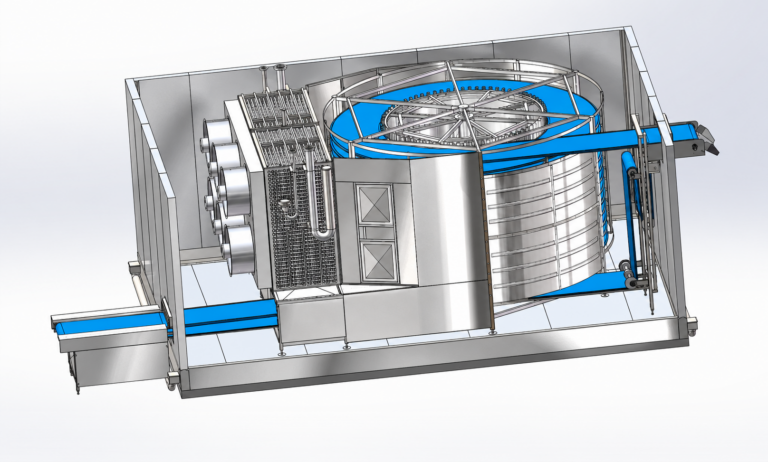
Our programmable automation controllers monitor temperature and belt speed for precise control to achieve the correct freezing time for each batch of product. For example, our single spiral freezer is a compact product that delivers high productivity from a small floor space, holding a single spiral of plates. The product is designed to wrap products in a flow of cold air, ensuring exact exposure times, with a robust and mature mechanical construction for easy service and maintenance to allow continued operation in harsh industrial environments.
Why Is IQF Equipment Superior for Fruit Preservation?
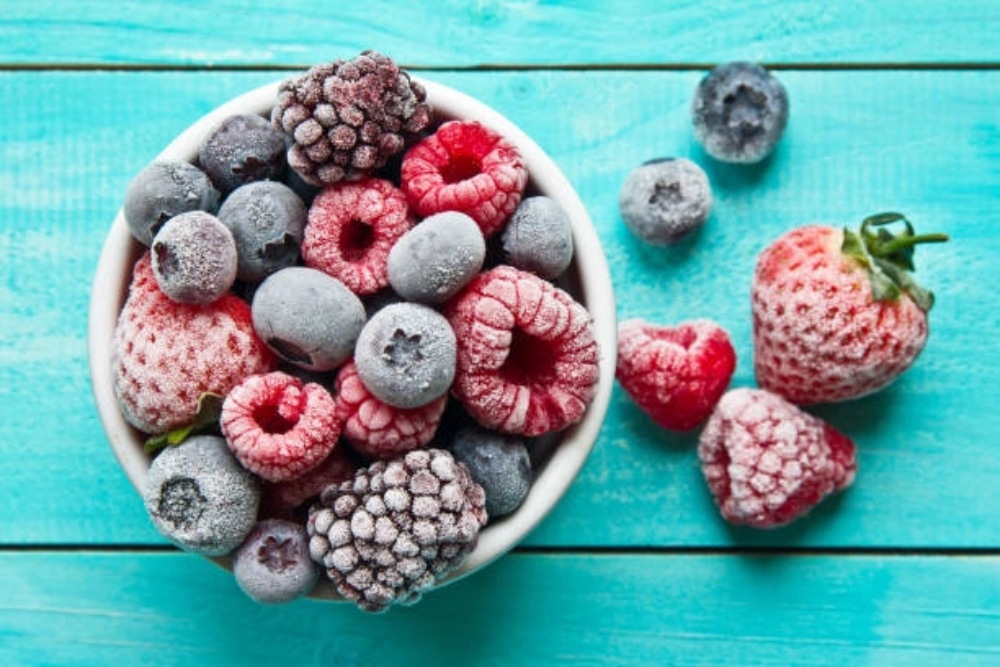
The way that IQF technology prevents large ice crystals from forming makes it especially suitable for processing fruits, as opposed to other products. Large ice crystals can develop in slow freezing processes, and, when they do, they can penetrate through the cells of the product, breaking them. This can result in a loss of sensitive components like vitamins, color, and flavor. The frozen fruits that are processed using our fluidized bed tunnel freezer or our spiral freezer retain their firmness. This makes them very suitable for retail packaging but also for industrial applications like filling bakery products or as a base for smoothies and other drinks.
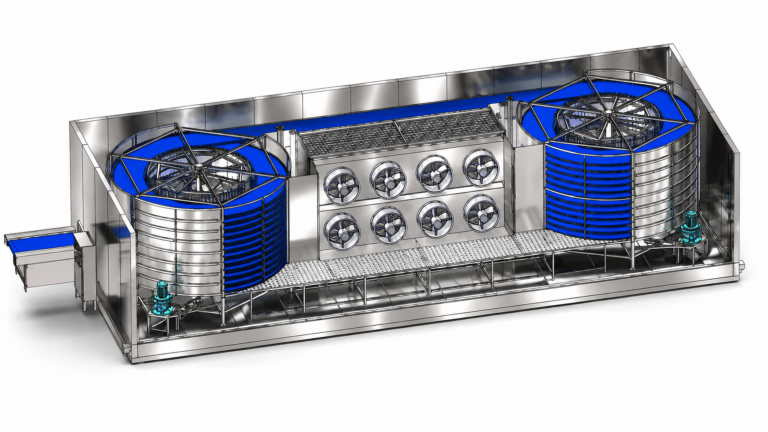
Our Double Spiral Freezer consists of two overlapping belts and corresponding airflow patterns, which allow large quantities of products to freeze in a very short time while maintaining space between individual items. The Double Spiral Freezer is a continuous-operating industrial food quick-freezer for medium- to large-sized processing companies. Because of the unique airflow, individual products like strawberries or blueberries will retain most of their original moisture when removed from storage and used in processing.
How Does IQF Extend Shelf Life and Reduce Post-Harvest Losses?
Rapidly achieving sub-zero temperatures with IQF technology provides a means to help slow microbial activity, thus extending the shelf life of perishable produce and providing the means to stabilize complex agricultural supply chains. Additionally, produce that is normally available seasonally can now be available on a year-round basis. Many agricultural cooperatives around the world use fluidized tunnel freezers for IQF, as they have been found to maintain up to 30% higher levels when compared to more conventional methods of freezing, as they achieve core temperature drop-off so much faster.
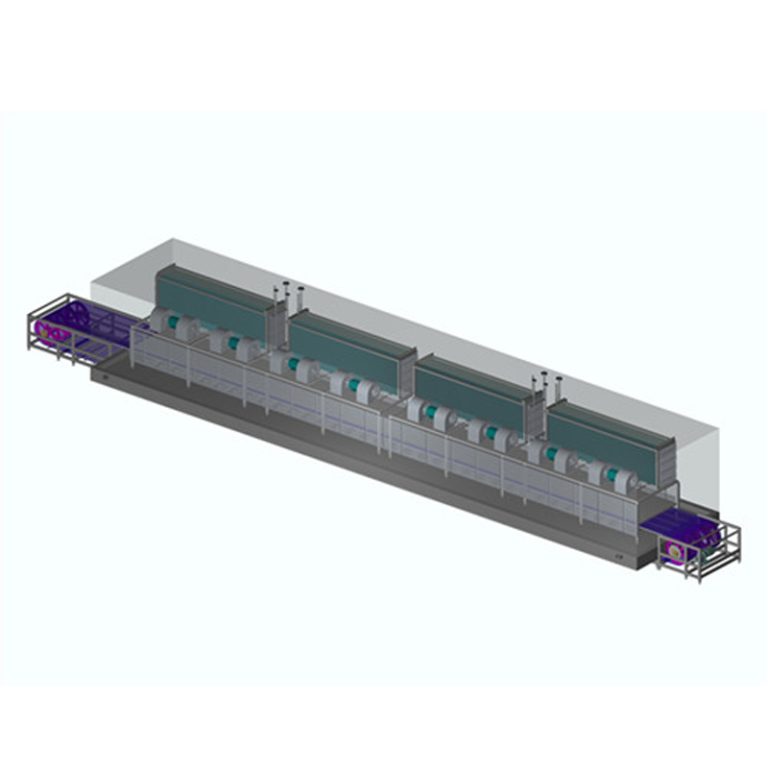
The Impingement Plate Belt Freezer accelerates surface freezing and chills both faces of every piece of fruit as fast as possible and with minimal moisture loss. As products are passed through the freezer by the conveyor belt, the top and bottom of the products are blown by high-velocity airflow in opposite directions. It thus ensures that highly moist products such as mangoes and peaches maintain their shape after thawing.
What Role Do IQF Freezers Play in Seafood Processing?
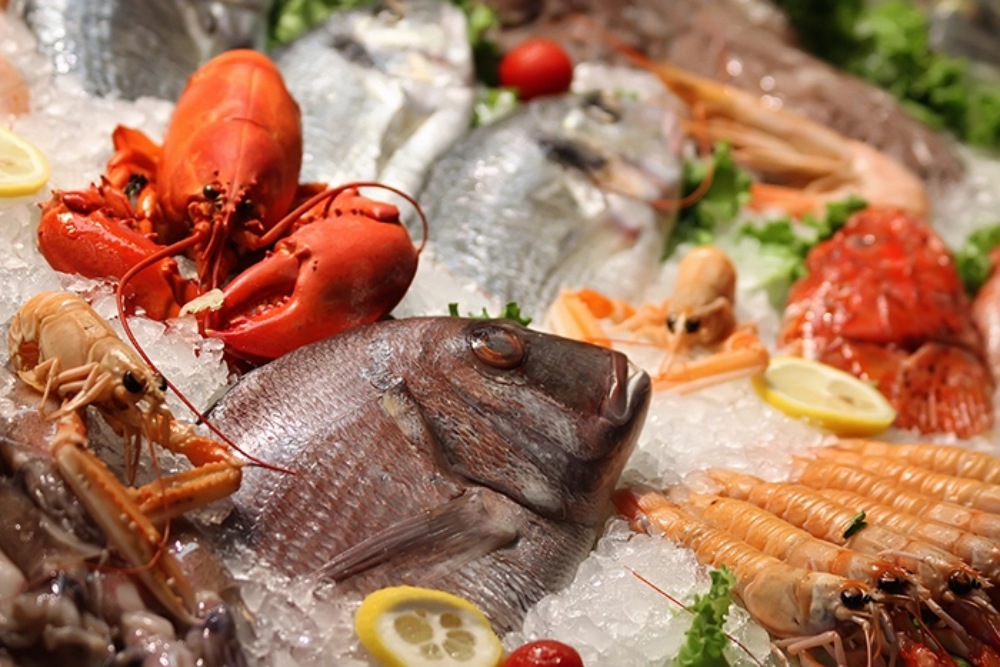
Seafood has special requirements in terms of freezing. The IQF freezers lock in the freshness and prevent any oxidation or dehydration during storage over a long period of time.
For applications in seafood facilities, tunnel or spiral freezers can quickly and uniformly bring the core of the products to a temperature of below –18°C within minutes. The spiral design of the conveying system in spiral freezers increases the space efficiency to a high degree. The stable airflow distribution in the freezer chamber ensures that even fish fillets and shellfish are frozen.
How Does IQF Ensure Food Safety Standards in Frozen Seafood Production?
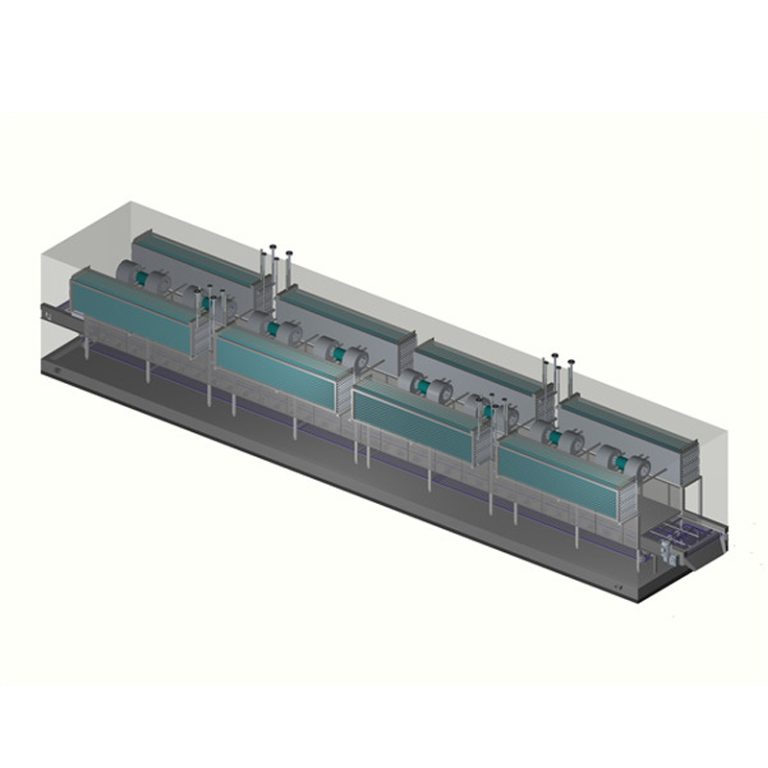
Food safety compliance requires traceability at every stage of production. Modern IQF machines employ a digital monitoring systems. These systems record real-time temperature data for quality audits. Uniform freezing eliminates warm spots where bacteria could thrive during storage or transportation. Our Impingement Mesh Belt Freezer is designed specifically for this purpose. It uses SUS304 stainless steel mesh belts compliant with HACCP hygiene standards while ensuring fast freezing speeds between –35°C and –45°C for fish fillets or shrimp portions.
What Technical Innovations Are Driving Modern IQF Machines?
In today’s competitive environment for food processing, improved energy efficiency is key. New models of food processing plants incorporate improved materials for insulation to reduce heat loss. Variable frequency drives for fans are now operated based on load to reach optimal efficiency. New models also incorporate alternative types of refrigerants that are designed to meet future global environmental regulations to reduce greenhouse gases.
System reliability is increasingly being automated. The PLC controls can be operated by the operator with a digital interface to manage complete freezing cycles. Predictive maintenance analyzes the operating data in real time and prevents failures before they occur. Automation makes operations more cost-effective and keeps up the same quality of production on day and night shifts.
How Should Industrial Processors Select the Right IQF Freezer?
We can select the appropriate model based on such criteria as the type of products to be frozen, the throughput required, available space, and required moisture content after freezing. Generally, the spiral model is more suitable for large quantities of bulk products such as seafood and meat. They can be compact in design to fit into smaller rooms. A tunnel model would be more suitable for particulate-type products, such as diced vegetables, etc. A fluidized bed model would be ideal for products such as berries and peas that are required to remain individual during the freezing process.
When selecting a production line, maintenance accessibility should be a consideration. On a continuous production line where the line is in operation 24 hours a day, cleaning of the line on a regular basis will enable hygiene compliance to be maintained. Also, by selecting a production line with a modular design, the line will be scalable. This means that as your business grows, production lines can be added with minimal structural changes required.
What Customization Options Support Different Processing Needs?
Modular, scalable production lines are able to increase production quickly and easily without affecting other processes. Our stainless steel production lines are resistant to corrosion in humid environments such as seafood processing plants. Stainless steel production lines are also suitable for countries with high humidity and comply with international sanitation guidelines such as HACCP and ISO 22000.
Where Is IQF Technology Heading Next in Food Processing?
With the growth of plant-based proteins and ready-to-eat meals globally, IQF technology will play an important role. Maintaining the appeal of food products in different formulas, such as soy nuggets made with protein and mixed vegetables, IQF technology preserves the texture and consistency of food products going through the frozen food logistics channel. If you would like to learn more, please read this article.
About Us
YONGXING is a professional food processing equipment manufacturer that specializes in designing and manufacturing quick-freezing equipment for global food processing markets. “Attention to details, teamwork, constant innovation, and offering our satisfied service” are our core values. With over 13 years of experience in designing and manufacturing food processing equipment, our advanced laser cutting centers and automated welding lines can design and manufacture customized solutions for fruit processing lines, seafood processing lines, meat processing lines, and ready meal processing lines from all over the world. Our products include spiral freezers, impingement freezers, fluidized bed freezers, plate freezers, and complete food processing production lines. Our quick-freezing equipment is designed and managed strictly under our quality management system and has obtained CE certification. If you would like to learn more, please read this article.
If you would like to get further information about specific project customizations, please click on the contact page link.
FAQ
Q1: How is an IQF freezer different from a blast freezer?
A1: A blast freezer freezes large amounts of product at once in a relatively uncontrolled fashion, which results in uneven crystal formation and product clumping. The IQF freezer, on the other hand, uses controlled airflow to freeze each individual particle in an independent manner at the optimal rate to preserve the natural form and taste of the product.
Q2: Which industries would benefit from industrial-scale IQF machinery?
A2: Fruit processing cooperatives, seafood exporters, meat packers, industrial bakery manufacturers, and ready-meal producers, to name a few. They will benefit from the longer shelf life of their frozen products and superior texture after thawing.
Q3: What are the maintenance practices to help the long-term operation of an IQF system?
A3: Cleaning of stainless steel parts with approved detergents for sanitation purposes; scheduled checks on evaporators and fan assemblies to help the thermal balance; and software diagnostics embedded in the PLC controls to forecast wear and tear of the parts to replace them in time and to help continuous production throughout the year.