

Within the industrial freezing sector, selecting between a blast freezer and an IQF tunnel freezer shapes product quality. It also impacts long-term cost efficiency. Both machines share the main goal of rapid temperature drops. However, they differ greatly in airflow design, freezing techniques, and automation levels.
What Are the Core Principles of Blast Freezers and IQF Tunnel Freezers?
Key Functional Differences Between Blast Freezers and IQF Tunnel Freezers
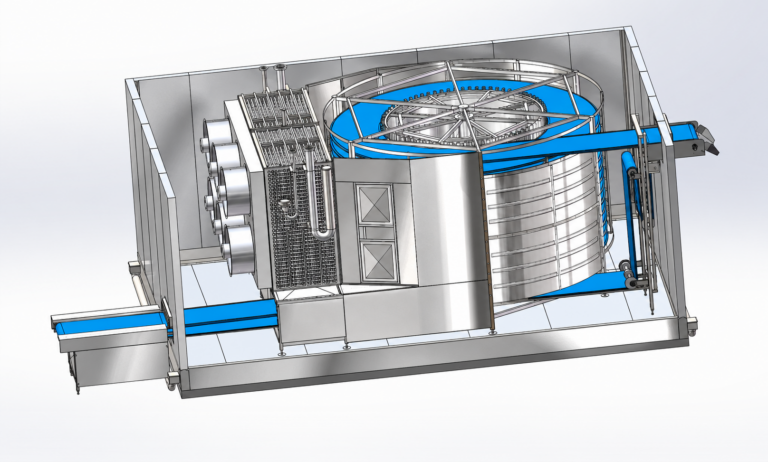
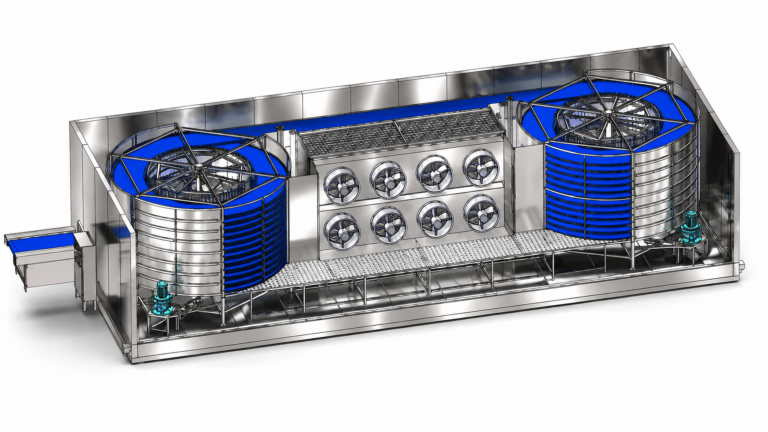
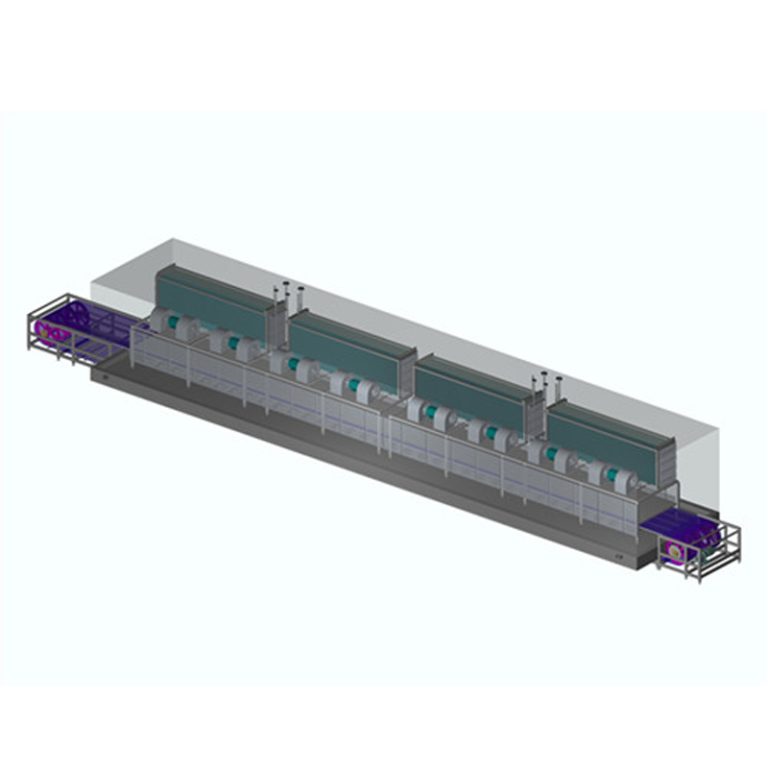
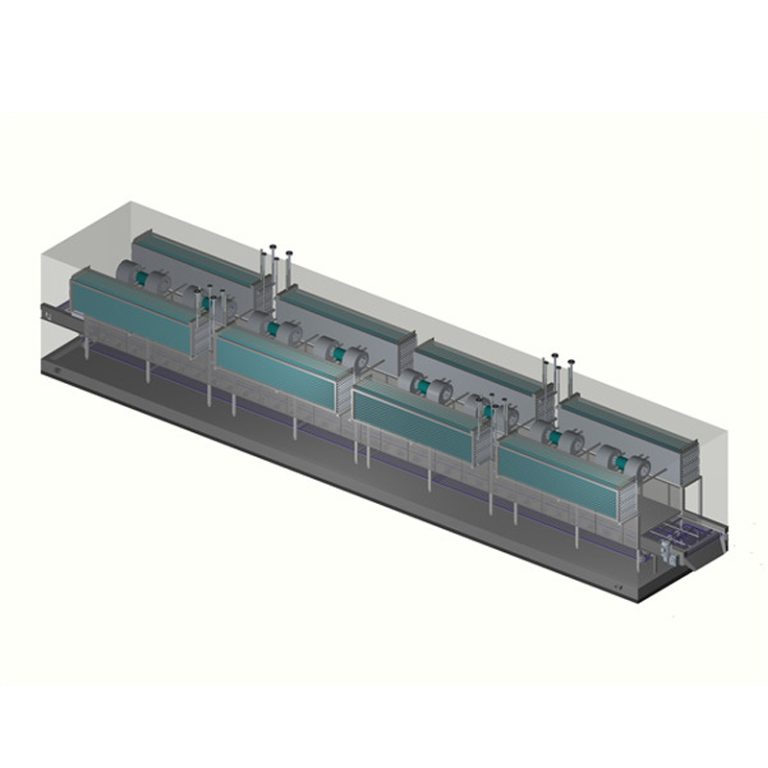
Blast freezers depend on fast-moving cold air. This air circulates inside a well-insulated room to chill bulk goods quickly. This batch-style method works well for big items or odd-shaped products. Still, it can lead to uneven cooling. On the other hand, IQF tunnel freezers—meaning Individual Quick Freezing—use a steady airflow. This flow freezes each piece alone as it travels on a conveyor belt. This setup guarantees that every single item stays separate. It also keeps its normal shape and feel.
Standard freezing methods often cause product sticking, uneven chilling, or cell harm. Unlike those, our fluidized bed technology uses carefully managed, fast-moving cold air currents. These streams lift single food pieces into a “fluidized” state as they travel through the tunnel. This specific action builds steady freezing conditions. It protects product quality much better than older batch systems.
Technical Specifications That Influence Cost and Performance
The main factors changing performance include airflow layout, temperature limits, insulation strength, and conveyor setup. For example, the inside warehouse temperature can hit -35℃ to -45℃. This extreme cold drops the food center temperature to -18°C very fast. It quickly moves the food past the biggest ice crystal building stage. Power use relies on compressor strength and the kind of refrigerant used. Meanwhile, the automation level controls how much manual labor you need.
A modern machine like the impingement plate freezer reaches even quicker freezing times. It does this by blasting steady, high-speed air against both sides of the product. This action cuts down moisture loss. It also keeps the frozen surfaces flat without any bending. This makes it perfect for seafood or meat factories wanting top-tier output.
Which Factors Determine the Price of an IQF Tunnel Freezer?
When looking at IQF tunnel freezer prices, buyers have to think about equipment design choices. They must also weigh custom features, power savings, and daily running costs.
Equipment Design and Customization Options
Building in modules allows size changes for varied production amounts. Using stainless steel parts boosts toughness. However, it raises the starting cost. Extra add-ons like auto-defrosting or smart control panels bring ease. Yet, they also alter the final bill.
Built from 304 stainless steel, the tunnel is fully safe for touching food. It allows simple washing because everything below the surface shifts into place. This clean layout satisfies strict HACCP rules. It also cuts down repair delays over the years.
Energy Efficiency and Operational Costs
Power-saving compressors drop electric bills over many years of work. Several new freezers include heat recovery setups. These reuse lost energy for warming up spaces or heating the plant. Normal upkeep keeps performance steady. Skipping it causes higher power burn rates.
Our Impingement Mesh Belt Freezer shows this great efficiency. It blends top and bottom air-blowing designs. It pairs this with variable-frequency speed controls. This mix allows easy output management while dropping dry loss.
How Does the Cost Structure of Blast Freezers Compare?
Even though blast freezers look cheaper at first glance, their daily running costs show a different picture.

Initial Investment vs Long-Term Operating Costs
Batch-style blast freezers demand less money upfront compared to continuous IQF tunnels. Yet, they burn more power because of repeated chilling rounds per batch. Repair schedules depend on fan size and evaporator shapes. Doing frequent defrosts builds up idle time. Over a long period, heavier electric use wipes out those early savings.
Productivity and Labor Considerations in Blast Freezing Operations
Blast freezers need workers to load and unload items between rounds. Because of this, labor effort climbs sharply when placed next to automated tracks. The waiting time between batches lowers total output speed. These units fit places with changing work schedules. They do not fit steady 24-hour tasks common in massive plants.
How Can We Evaluate Cost Efficiency Between Both Systems?
Comparing these setups looks at power used per kilogram of frozen goods. It also checks how well they meet factory demands.
Comparing Energy Consumption per Kilogram of Product Frozen
Continuous IQF tunnels usually show better energy use. They hold steady heat levels during the whole run. Batch blast freezers keep firing up compressors from room temperature. This wastes power during quiet times. Tracking live power data helps spot ways to improve both setups.
Assessing Production Volume and Throughput Requirements
Big-volume factories get more value from continuous IQF tunnel freezer lines. This happens because of stable output speeds and easy links with earlier machines like forming or packing tools. Smaller, season-based workers might pick blast units. They like the freedom to handle varying load sizes.
Automatic Continuous Production: These machines link smoothly with front-end forming, coating, and cooking lines. They also join back-end packing lines. This creates an automatic workflow with high speed and low worker needs. Pairing the right system type with factory size guarantees the best return. It stops you from wasting money on unused space.
How Do These Systems Affect Product Quality and Market Value Retention?
Keeping goods fresh directly changes brand trust. It also shifts profit levels across the frozen food market.
Preservation of Texture, Shape, and Nutritional Integrity
IQF technology lowers ice crystal growth. It does this by moving fast through the main freezing stage. This action protects the cell shapes in fruits, seafood, or meat cuts. It quickly drives through the ice crystal building zone, making tiny ice crystals. This effectively limits cell harm, trapping water and healthy parts inside. On the flip side, slower blast freezing might cause slight sticking. It can also ruin the feel of soft foods like berries or shrimp. Keeping each item whole boosts its look after thawing. This is very important for foreign markets that want strict quality checks.
What Strategic Considerations Guide Selection of a Cost-Efficient System?
Aligning Equipment Choice with Business Objectives and Growth Plans
Before spending big money, manufacturers should study future capacity guesses. They must also look at how new machines fit into current lines. Checking the total cost of ownership gives a better money view than just the price tag. This includes setup bills, repair needs, spare part access, and lifetime power use.
We suggest looking at our building skills at YONGXING. Our main belief is “attention to detail, teamwork, constant innovation, and offering our satisfactory service.” We treat every buyer with a true heart and expert advice. As a company focused on research, design, building, sales, and setup of quick-freezing equipment for over 13 years, we lean on solid tech backing. We use a strict quality control system to make fair and highly excellent goods. Our product range—from spiral freezers to fluidized bed tunnels—serves fish handlers, meat plants, fruit packers, bread manufacturers, and ready-meal creators around the globe.
Vendor Support, Warranty, and After-Sales Service as Part of Cost Efficiency
Trustworthy after-sales help drops sudden delay costs during work times. Longer warranties soften repair bills later in the machine’s life. They also make sure steady performance rules stay strong. We will do our absolute best to answer your questions. We look forward to working with you! A partner’s good name also changes how long the gear lasts. Well-backed machines hold better resale value when it is time to upgrade the factory.
For custom advice or project-focused tips about IQF tunnel freezer price-saving plans fitting your line needs, check out our About Us page. You can also connect via our contact portal. If you would like to learn more, please read this article.
FAQ
Q1: Which industries benefit most from IQF tunnel freezers?
A1: Fields dealing with wet or soft items—like seafood plants or fruit shippers—get huge perks from IQF setups. This is because every piece freezes alone without sticking together or losing its proper feel.
Q2: How does automation influence overall cost savings?
A2: Automation cuts down human handling mistakes. It also keeps output speeds very steady. Even though it pushes the starting cost up a bit compared to manual blast rooms, it drops long-term worker bills by a large amount.
Q3: What maintenance practices extend freezer lifespan?
A3: Checking evaporators often for ice buildup helps a lot. Tuning the variable frequency drives that manage conveyor speeds is also key. Adding oil to moving parts on time—and swapping out old seals quickly—keeps performance solid. All these steps lower sudden stops across many years of hard use.