
For many frozen food plants, power cost is no longer a small line on the monthly bill. Fans run for long shifts, compressors work harder during peak load, and a little frost on an evaporator can quietly turn into a real cost. The goal is not simply to buy a machine with a nice energy label. A plant has to reduce freezer energy consumption while still keeping product quality, capacity, and food safety under control.
That balance is where many projects become tricky. A freezer that saves power by moving too slowly may hurt throughput. A freezer that runs colder than needed may look safe at first, then push food plant energy costs higher every week. Better decisions usually come from lowering heat load, matching the freezer to the product, keeping heat exchange clean, and managing the line with discipline.
Start With The Heat Entering The Freezer
The freezer does not create the energy problem by itself. It removes the heat that the process sends into it. Warm cooked dumplings, wet vegetables, or seafood from a warm staging room will demand more refrigeration than chilled, well-drained product. If the upstream process is unstable, even good equipment may look inefficient.
Pre-Cooling And Product Temperature
One practical way to support energy-efficient food freezing is to check the product inlet temperature before blaming the freezer. A plant should separate cooking, cooling, draining, and loading steps clearly. When a product enters the freezer at a lower and steadier temperature, the refrigeration system removes less heat per kilogram, and operators have less reason to overcorrect with colder chamber settings.
The target outlet or core temperature also needs to be realistic. Many frozen products are planned around a final core temperature near -18 C for storage, but residence time and chamber setting still depend on product size, water content, packaging, and line speed.
Surface Water And Product Loading
Surface water is expensive. It freezes, adds latent heat load, builds frost, and can make small foods stick together. Draining vegetables, controlling seafood glaze, and keeping wet products out of warm air are simple habits, but they matter.
Loading also deserves attention. Empty belt sections waste fan power and freezer volume. Overloaded belts block airflow and may force longer residence time. A steady product bed is usually better than repeated surges and gaps.
Match The Freezer Type To The Food
No single freezer style is the most efficient for every food. The right IQF freezer equipment should match product shape, moisture, sticking risk, capacity, and available floor space. This is where IQF energy saving becomes a selection issue, not just an operating issue.
Small loose products need air movement that separates pieces without damage. A fluidized bed tunnel freezer uses high-velocity cold air to suspend individual particles in a fluidized state, creating heat exchange around the product. That style can suit shrimp, berries, peas, diced vegetables, and similar loose foods where clumping creates rework.
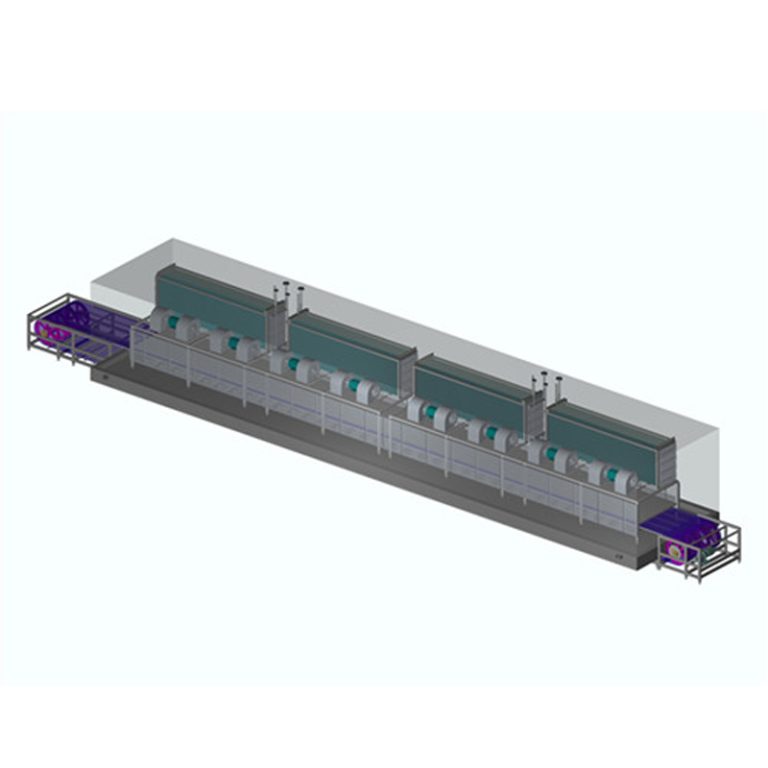
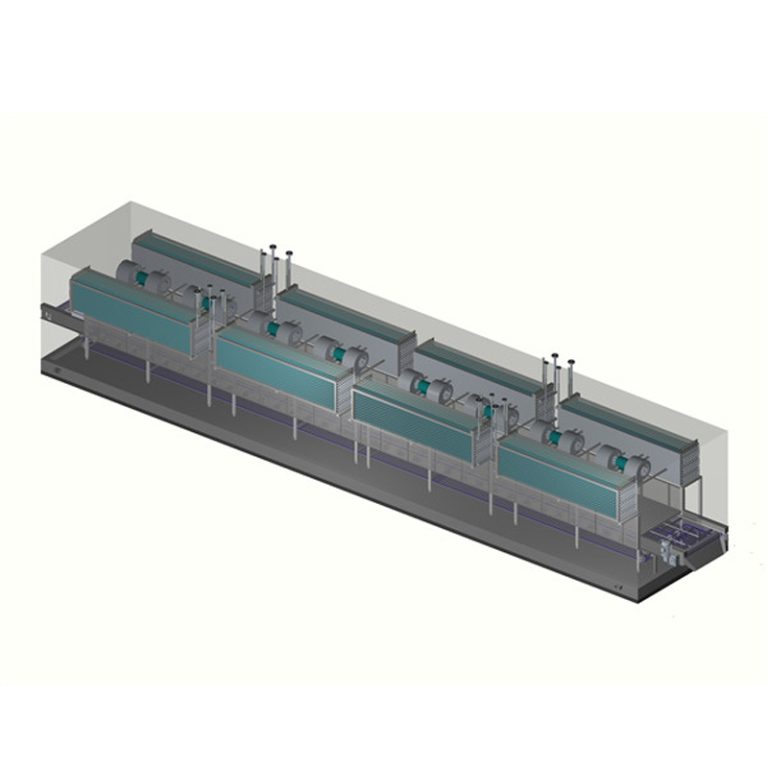
Flat or delicate products may need another answer. An impingement plate belt freezer uses upper and lower high-speed airflow so the product surface temperature drops quickly. YONGXING applies this type to scallops, fish fillets, shrimp, flat meat, block products, and granular products. The right airflow pattern can support industrial refrigeration efficiency without rough handling.
When Mesh Belts Or Spiral Systems Make More Sense
For aquatic products, poultry, meat, pastry products, boxed items, and prepared foods, an impingement mesh belt freezer can be useful because it uses a high-strength SUS304 mesh belt and stepless speed regulation through a frequency converter. Adjustable freezing time helps the plant avoid one fixed recipe for every item.
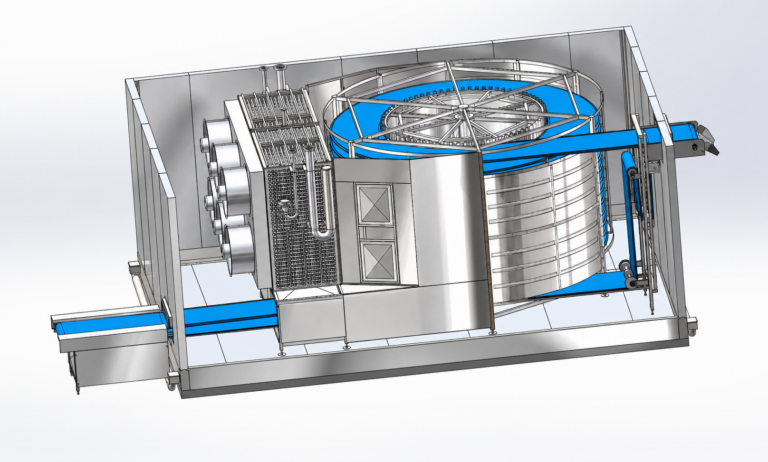
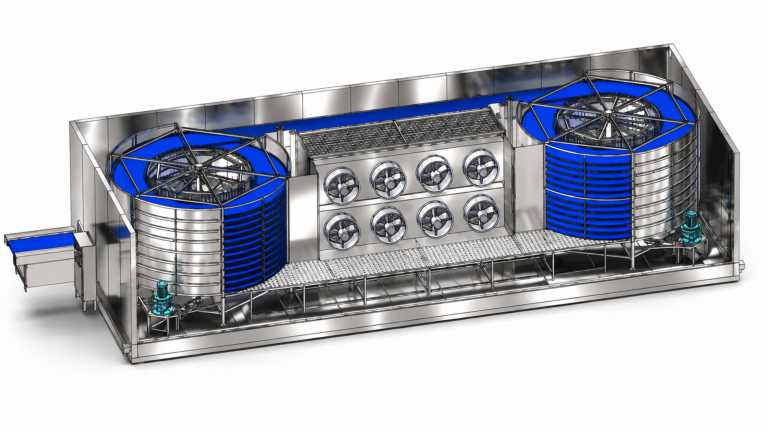
A spiral freezer changes the space and residence-time problem. YONGXING positions the double spiral freezer for medium and large plants that need strong freezing capacity, high automation, and a smaller footprint. The product data also notes a relatively small insulation volume, a long heat exchange path, and low energy consumption.
Keep Heat Exchange Clean And Predictable
Industrial refrigeration efficiency depends heavily on clean heat transfer. Frost on the evaporator, dirty coils, damaged door seals, blocked drains, or poorly cleaned belts can all make the system work harder for the same freezing result. The electricity bill often sees the problem early.
Defrost Is Not Just A Maintenance Detail
The defrost strategy has a direct connection with IQF energy saving. Defrost too late and heat exchange drops. Defrost too often and the plant interrupts production. YONGXING’s impingement freezer information includes models that use combined water flushing and hot ammonia defrosting to keep evaporators clean, improve heat exchange, and reduce energy consumption.
A serious freezer specification should ask how defrost is triggered, how long it takes, and how water is drained after cleaning. If defrost and sanitation are hard to perform, the line will drift. Small daily drift is one reason food plant energy cost becomes higher than the buying stage estimate.
Airflow Must Reach The Product
Energy-saving operation is not about reducing air everywhere. It is about sending the right air to the right surface. Blocked return paths, uneven product depth, broken guides, and loose curtains all reduce useful airflow. Lowering the setpoint only hides the cause.
Plants should record airflow-related symptoms: slow freezing at the belt edge, frost in one zone, sticking after a certain shift, or more rejected cartons after changeover. These clues help maintenance teams fix the system rather than chasing settings.
Control The Line, Not Only The Freezer
A freezer is part of a production line. If upstream cooking, forming, washing, or packaging changes every hour, the freezer has to absorb that variation. Good line control reduces waste because the freezer can run near its planned load.
Frequency control, belt speed recipes, and temperature recording are useful when the team uses them with process discipline. Each SKU should have a repeatable recipe: product depth, inlet temperature range, belt speed, chamber setting, outlet temperature, and cleaning interval. That makes energy-efficient food freezing easier to repeat across shifts.
Measure What Happens During Real Production
A plant that wants to reduce freezer energy consumption should not rely only on connected power. Meter startup, steady production, defrost, idle time, cleaning, and product changeover separately. The largest waste may come from running empty belts or using one cold setting for every product.
It also helps to compare energy use per kilogram of accepted product, not only total power. If a freezer uses less electricity but creates clumped berries, cracked dumplings, or dehydrated seafood, the cost has moved into waste.
Specify Energy Requirements Before Ordering
Energy performance should be discussed before the purchase order. Buyers should prepare hourly capacity, freezing product, product size, inlet and outlet temperature, refrigerant preference, workshop layout, operating hours, sanitation needs, and any special automation requirements. YONGXING asks for these project details because the same machine category can behave differently under different products and sites.
The broader range from YONGXING includes IQF equipment, fluidized tunnel freezers, spiral freezers, impingement tunnel freezers, food production line equipment, and other food processing machines for aquatic products, fruits and vegetables, meat, wheaten foods, quick-freezing, and prepared food.
Factory capability also matters. Equipment built with accurate stainless parts, stable welding, clean belt paths, and accessible service points tends to stay closer to its design condition. YONGXING’s production facilities include automatic laser cutting, automatic welding, and CNC punching equipment.
Questions To Ask Before Comparing Quotes
Before comparing prices, ask what assumptions support the energy estimate. Does it include the refrigeration plant or only the freezer body? What product inlet temperature was used? What belt loading depth was assumed? How is defrost handled? What access is available for evaporators, belts, drains, and seals?
These questions turn an energy claim into a project discussion. They also prevent a common purchasing mistake: choosing a low quoted power number that cannot hold product quality at the planned capacity. If you would like to learn more, please read this article.
FAQ
Q1: What is the fastest way to reduce freezer energy consumption in an existing food plant?
A1: Start with inlet temperature, product drainage, belt loading, door discipline, evaporator cleanliness, and defrost timing. These items can often be checked before replacing major equipment.
Q2: Does an energy-efficient food freezing line always need a new freezer?
A2: Not always. If the existing freezer is correctly sized, better loading, cleaning, maintenance, and operating recipes may lower waste. If the freezer type does not match the product, replacement or line redesign may be needed.
Q3: What information helps YONGXING discuss IQF energy saving for a project?
A3: Send product type, size, hourly capacity, inlet and outlet temperature, refrigerant, floor space, operating hours, cleaning needs, and any special requirements. That data supports a more accurate freezer selection and energy discussion.