

Membeli lini IQF (Individual Quick Freezing) tampak sederhana dari lembar penawaran. Satu nama produk, satu kapasitas per jam, satu harga. Namun, di pabrik sebenarnya, freezer tersebut menangani udang basah, pangsit hangat, brokoli yang sudah direbus, ayam potong dadu, atau makanan matang yang mengandung minyak dan saus.
Itulah mengapa cara memilih peralatan pembeku IQF dimulai dari makanan, bukan mesinnya. Pemilihan pembeku IQF yang baik mempertimbangkan bentuk produk, kelembapan permukaan, kedalaman lapisan, suhu inti target, waktu pembersihan, luas lantai, dan jalur pengemasan setelah pembekuan. Jika salah satu dari hal tersebut terlewatkan, mesin yang tampak canggih dapat berubah menjadi hambatan sehari-hari.
Mulailah dengan produk yang menimbulkan masalah.
Jangan mulai dengan SKU yang paling mudah. Mulailah dengan produk yang biasanya memperlambat lini produksi: barang yang paling hangat, barang yang paling lengket, barang yang paling rapuh, atau barang dengan standar penampilan yang paling ketat.
Bentuk, Ukuran, dan Permukaan Air
Potongan-potongan kecil yang terpisah seperti kacang polong, biji jagung, sayuran potong dadu, beri, udang, dan kerang membutuhkan udara dingin di sekitar setiap potongannya. Terlalu banyak air akan menjadi lem es. Terlalu banyak produk di atas sabuk konveyor akan menghambat aliran udara. Mesin pembeku IQF mungkin bertenaga, namun kantong tetap akan menggumpal jika proses pengisian dan pengeringannya buruk.
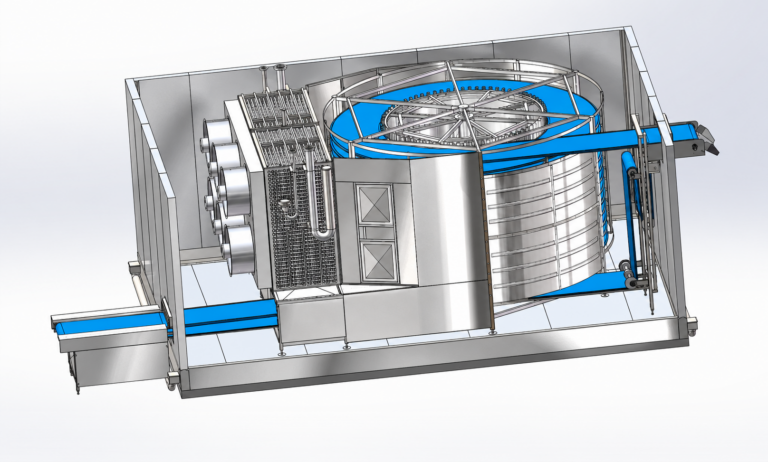
Makanan berukuran besar membutuhkan pemeriksaan yang berbeda. Ikan yang dikemas dalam nampan, daging panggang, makanan dalam kotak, dan beberapa makanan siap saji mungkin tidak tahan terhadap pergerakan yang kuat. Tekanan sabuk konveyor, radius putar, dan penyangga produk sama pentingnya dengan suhu pembekuan. Sperapian di tungku Spiral FReezer bisa cocok ketika tanaman membutuhkan jalur pembekuan yang lebih panjang di ruangan yang lebih sempit.
Suhu Masuk dan Suhu Inti Target
Suhu masuk mengubah segalanya. Pangsit yang baru dibentuk tidak sama dengan sayuran yang sudah dimasak sebelumnya. Produk daging yang sudah dimasak membawa lebih banyak panas ke dalam terowongan daripada potongan makanan laut yang dingin. Jika pemasok hanya mendengar "satu ton per jam," desainnya sudah lemah.
Untuk setiap freezer makanan industri, mintalah poin desain secara jelas: ukuran produk, suhu masuk, suhu keluar, target inti, pemuatan sabuk konveyor, dan jam operasional. Panduan permintaan YONGXING meminta kapasitas, produk pembekuan, ukuran produk, suhu masuk dan keluar, refrigeran, dan persyaratan khusus. Hal ini melindungi lini produksi agar tidak dirancang berdasarkan sampel bersih yang tidak pernah muncul dalam produksi normal.
Sesuaikan Jenis Freezer dengan Perilaku Produk
Berbagai model freezer memiliki solusi yang berbeda untuk masalah yang berbeda pula. Pembeli dapat membandingkan tata letak, tetapi produklah yang harus menentukan opsi mana yang akan dipertimbangkan.

Pembeku Terowongan Unggun Terfluidisasi
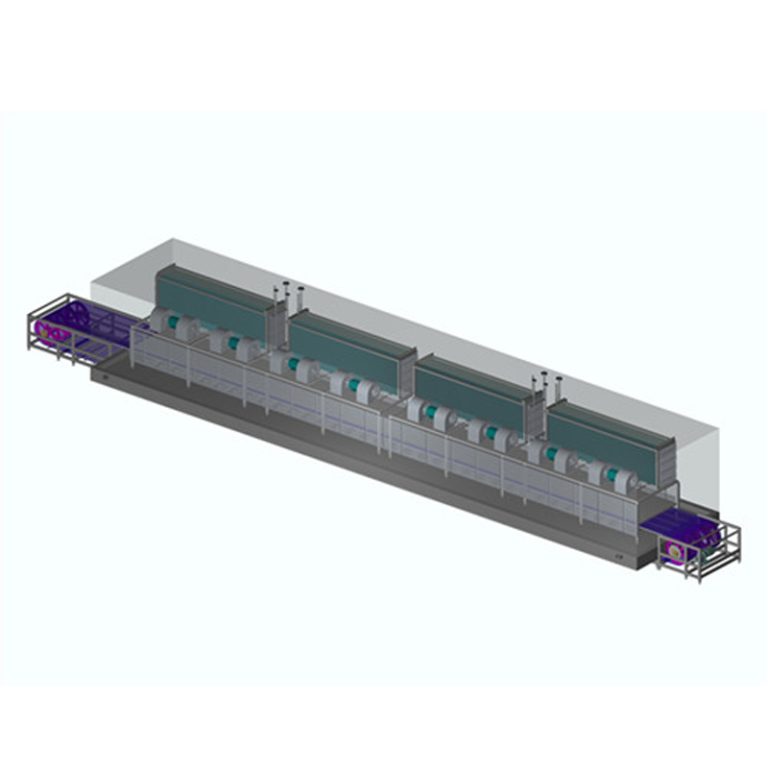
Untuk makanan yang berbentuk butiran lepas atau potongan kecil, Fcair Bed Tterowongan FReezer Ini seringkali menjadi desain pertama yang diuji. YONGXING memposisikan freezer ini untuk makanan laut, buah-buahan, sayuran, makanan siap saji, pangsit beku, nasi pra-masak, dan pelet camilan. Suhu kerjanya umumnya sekitar minus 30 hingga minus 40 derajat Celcius, dengan waktu pembekuan yang lebih singkat untuk potongan yang lebih kecil.
Pilihan ini masuk akal ketika kemasan akhir harus dapat dituang dengan bebas. Namun, tetap diperlukan penanganan hulu yang disiplin. Buah beri, brokoli, udang, dan sayuran potong dadu hanya akan terpisah dengan baik jika proses pengeringan, lapisan pakan, getaran, dan aliran udara bekerja bersama-sama.
Freezer Spiral
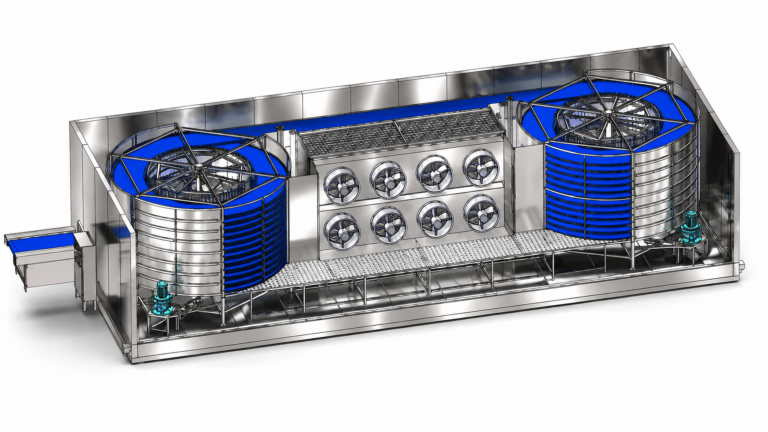
Freezer spiral berguna ketika kapasitas besar dibutuhkan tetapi ruang lantai terbatas. A Dganda Spiral FReezer Menggunakan sistem sabuk konveyor vertikal untuk menempatkan lebih banyak jalur pembekuan di dalam area yang lebih kecil. YONGXING mencantumkan pengurangan luas area sekitar 30% hingga 40% dibandingkan dengan freezer spiral tunggal dengan kapasitas yang sama.
Ini cocok untuk produk beras dan tepung, daging dan unggas, produk perairan, makanan siap saji, es krim, makanan penutup, makanan goreng, dan makanan kemasan kecil. Pemeriksaannya bersifat fisik: tekanan produk saat berputar, bekas sabuk konveyor, tinggi pemuatan, akses sanitasi antar tingkat, dan apakah staf dapat menjangkau bagian-bagian yang perlu dicuci.
Pembeku Sabuk Pelat Impingement
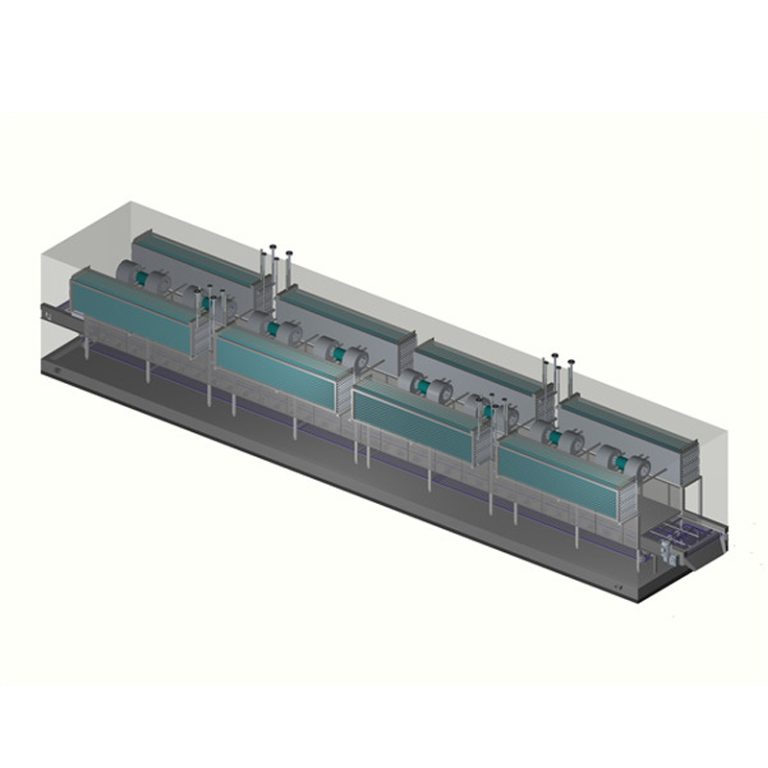
Penyemprotan udara bertekanan tinggi cocok untuk produk yang membutuhkan penghilangan panas permukaan yang cepat dan penyangga yang stabil. Produk YONGXING. Sayatubrukan Pterlambat Belt FReezer Menggunakan sabuk pelat baja tahan karat SUS304 untuk produk dengan persyaratan tampilan yang lebih tinggi, kadar air tinggi, atau risiko deformasi. Suhu ruang dapat mencapai sekitar minus 35 hingga minus 45 derajat Celcius, dan waktu pembekuan dapat disesuaikan dalam kisaran sekitar 10 hingga 50 menit.
Jenis peralatan pembekuan makanan ini cocok untuk daging, produk perairan, pasta, buah-buahan, sayuran, dan makanan olahan. Selama pengujian, perhatikan pengeringan permukaan, kerusakan bentuk, pelepasan sabuk, dan apakah suhu inti tetap stabil setelah pengoperasian normal.
Kapasitas Harus Sesuai dengan Seluruh Lini Produksi
Kapasitas freezer bukanlah angka yang terisolasi. Suatu jalur produksi dapat membeku dengan cepat dan tetap gagal jika mesin pencuci memasukkan bahan secara tidak merata, mesin pemasak mengeluarkan bahan yang terlalu panas, pengemasan tersumbat, atau pencairan es mengganggu proses produksi.
Gunakan SKU yang Paling Sulit Sebagai Titik Acuan Desain
Jika beberapa produk berada dalam satu jalur produksi, sesuaikan ukuran freezer dengan produk yang paling sering dijual. Pangsit hangat, potongan daging tebal, makanan laut basah, atau makanan siap saji dengan saus dapat menjadi beban utama. Unit yang dirancang untuk sayuran kecil yang sudah didinginkan mungkin terlihat bagus di atas kertas, tetapi tetap mengecewakan selama musim puncak.
Ketika tim bertanya bagaimana memilih peralatan freezer IQF, jawabannya harus mencakup kapasitas pendinginan, lebar sabuk konveyor, pola pengumpanan, rencana pencairan es, drainase, dan kecepatan pengemasan hilir. Permintaan puncak juga penting. Sebuah pabrik mungkin beroperasi pada volume normal hampir sepanjang hari, kemudian bekerja keras selama dua jam sebelum batas waktu pengiriman. Freezer harus mampu menyesuaikan diri dengan ritme tersebut.

Kebersihan, Energi, dan Pemeliharaan Menentukan Biaya Harian
Pembersihan bukanlah masalah sampingan dalam produksi makanan beku. Ini adalah bagian dari kapasitas produksi. Jika pencucian memakan waktu terlalu lama, mesin akan kehilangan jam produksi. Jika pekerja tidak dapat menjangkau sabuk konveyor, area kumparan, saluran pembuangan, atau pelindung, risikonya adalah keamanan pangan dan waktu henti produksi.
Desain terowongan impingement dan fluidisasi YONGXING mengacu pada baja tahan karat yang bersentuhan dengan makanan dan kebersihan yang berorientasi pada HACCP. Desain fluidized bed juga menunjukkan bagian konveyor yang dapat dilepas dan komponen listrik yang terlindungi. Detail-detail ini layak ditanyakan sebelum memesan mesin pembeku IQF, terutama untuk pabrik yang menangani sayuran basah, makanan laut, daging, atau makanan olahan dengan pergantian produk yang sering.
Biaya energi juga perlu ditinjau secara praktis. Volume isolasi yang lebih kecil, evaporator yang bersih, aliran udara yang masuk akal, dan kontrol kecepatan variabel dapat mengurangi pemborosan, tetapi angka sebenarnya bergantung pada kondisi produk. Pemuatan basah, pembekuan koil, pembukaan pintu, pengumpanan berhenti-mulai, dan frekuensi pencairan es dapat mengubah tagihan. Bandingkan biaya per kilogram yang dapat dijual, bukan hanya daya terpasang.
Periksa apakah pemasok mampu merekayasa proyek tersebut.
Pemasok tidak seharusnya terburu-buru menyebutkan nama produk lalu langsung merekomendasikan model. Diskusi yang lebih baik mencakup tata letak, utilitas, pendinginan, jenis sabuk konveyor, akses pembersihan, instalasi, pengoperasian awal, pelatihan, dan suku cadang. Diskusi juga harus mencakup apa yang terjadi jika percobaan pertama gagal.
DANONGXING Perusahaan ini mencakup penelitian, desain, produksi, penjualan, dan instalasi peralatan pembekuan cepat. Rangkaian produknya meliputi peralatan IQF, freezer terowongan fluidisasi, freezer spiral, freezer terowongan impingement, lini produksi makanan, dan mesin pengolahan makanan lainnya. Pabrik ini menggunakan peralatan pemotongan laser otomatis, pengelasan otomatis, dan penekan kontrol numerik. Tim teknisnya terdiri dari 5 insinyur dengan pengalaman hampir 20 tahun di bidang pembekuan, ditambah 16 paten dan sertifikasi CE.
Latar belakang tersebut penting ketika suatu aplikasi berada di antara kategori standar. Produk perairan, buah-buahan dan sayuran, daging, makanan berbahan dasar gandum, makanan siap saji beku cepat, dan lini pengolahan mendalam seringkali memerlukan detail yang disesuaikan dengan produk dan ruangan. Produsen peralatan pembekuan makanan yang praktis harus meminta data produk terlebih dahulu, kemudian menentukan penerimaan berdasarkan suhu pengeluaran, tingkat penggumpalan, kerusakan, kapasitas produksi, waktu pembersihan, dan perilaku lini pengemasan.
Daftar Pendek yang Masuk Akal
Untuk produk-produk kecil dan lepas dengan kebutuhan pemisahan yang tinggi, mulailah dengan terowongan fluidized bed. Untuk kapasitas yang lebih tinggi dalam ruang terbatas, bandingkan tata letak spiral. Untuk produk yang rapuh, basah, pipih, atau memiliki tampilan yang menarik, periksa pembekuan sabuk pelat impingement. Untuk balok, nampan, atau kemasan tertutup, pembekuan pelat mungkin lebih masuk akal daripada IQF.
Itulah jawaban praktis tentang cara memilih peralatan freezer IQF. Mulailah dengan makanan, konfirmasikan persyaratan kemasan, dan uji SKU yang sulit, lalu hitung biaya berdasarkan output yang dapat dijual. Harga beli yang lebih rendah akan menjadi mahal ketika potongan makanan menggumpal, pembersihan memakan waktu lama, atau permintaan puncak mengganggu jadwal. Pengolah dengan data produk dan target output yang siap dapat mengajukan permintaan. ulasan teknis freezer sebelum mengunci spesifikasi peralatan. Jika Anda juga ingin tahu lebih lanjut, baca artikel kami. pada teks ini menjawab pertanyaan itu.
Pertanyaan yang Sering Diajukan (FAQ)
Q1: Apa langkah pertama dalam memilih freezer IQF?
A1: Mulailah dengan produk reguler yang paling sulit. Bagikan informasi mengenai ukuran potongan, suhu masuk, suhu inti target, tingkat kelembapan, kapasitas per jam, refrigeran, batasan ruang, dan format kemasan. Detail-detail tersebut mengungkapkan beban pembekuan yang sebenarnya.
Q2: Apakah mesin pembeku IQF selalu lebih baik daripada pembeku cepat (blast freezer)?
A2: Tidak. Sistem IQF paling baik digunakan ketika potongan-potongan harus tetap terpisah untuk penimbangan, pencampuran, pengemasan ritel, atau kemasan layanan makanan. Pembekuan cepat mungkin lebih baik untuk karton, nampan, balok, potongan besar, atau batch kecil.
Q3: Apa yang harus dikonfirmasi pembeli sebelum memesan freezer makanan industri?
A3: Konfirmasikan uji coba produk, suhu pengeluaran, tingkat kluster, pemuatan sabuk konveyor, akses pembersihan, penggunaan daya, metode pencairan es, suku cadang, dan pelatihan. Poin-poin ini menunjukkan apakah freezer makanan industri dapat beroperasi dengan andal dalam produksi sehari-hari.